Little Island: The Floating Public Park on the Hudson River
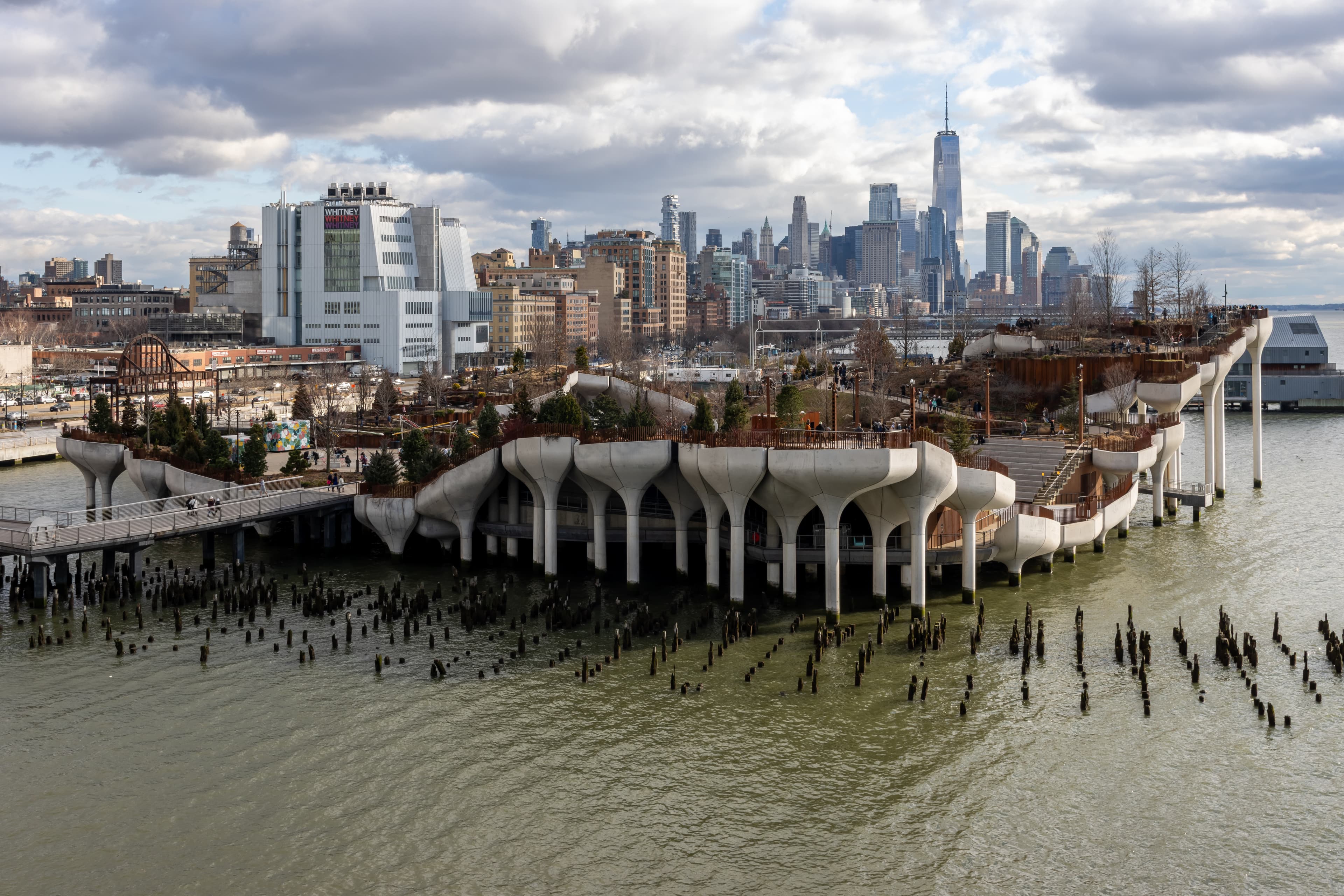
Rising from the waters of the Hudson River on the former site of the Cunard White Star pier, Little Island combines dramatic Heatherwick architecture with maritime landscapes.
Turn short-form video curiosities into permanent knowledge. We document forgotten history, subterranean infrastructure, architectural marvels, and secret corners hidden in plain sight.

Rising from the waters of the Hudson River on the former site of the Cunard White Star pier, Little Island combines dramatic Heatherwick architecture with maritime landscapes.

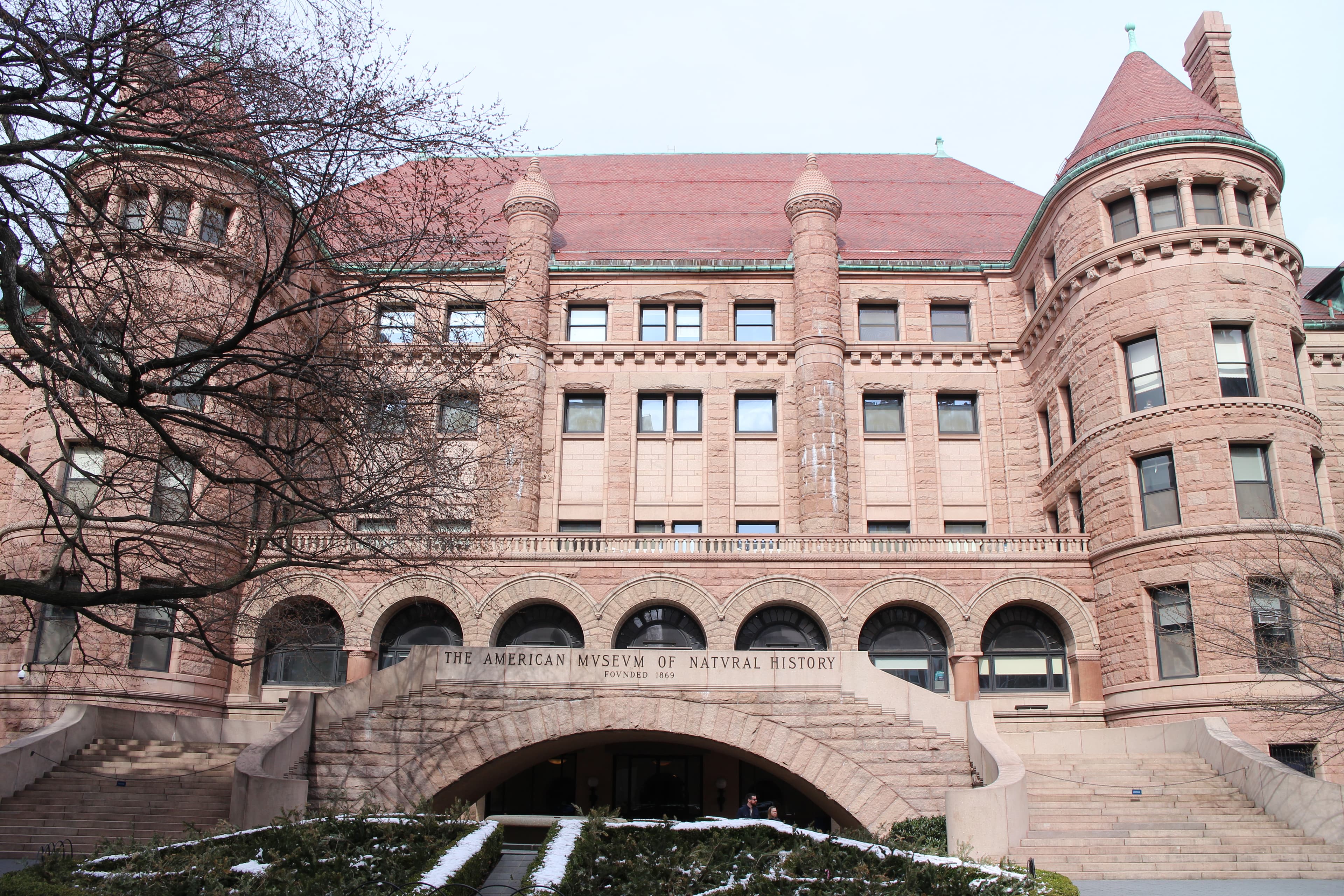
Spanning four city blocks opposite Central Park, this institution houses world-renowned paleontology collections, cultural halls, and cutting-edge biodiversity research.

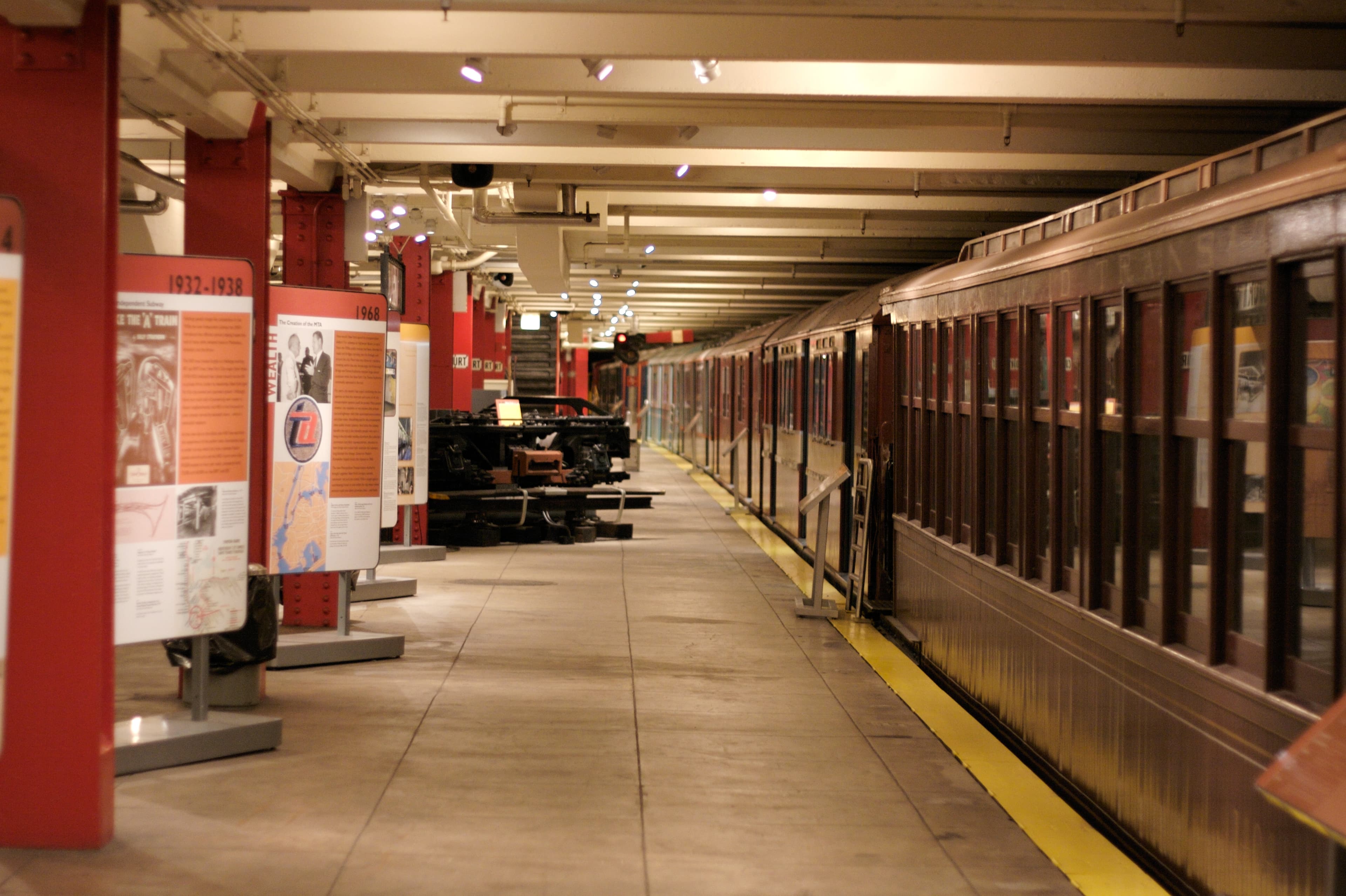
Built as an IND terminus in Downtown Brooklyn that saw little passenger traffic, Court Street station found permanent life in 1976 as the premier urban transit museum in the nation.

Rising from the waters of the Hudson River on the former site of the Cunard White Star pier, Little Island combines dramatic Heatherwick architecture with maritime landscapes.
Concealed transit infrastructure, disguised brownstones, sealed tunnels, and private skybridges.
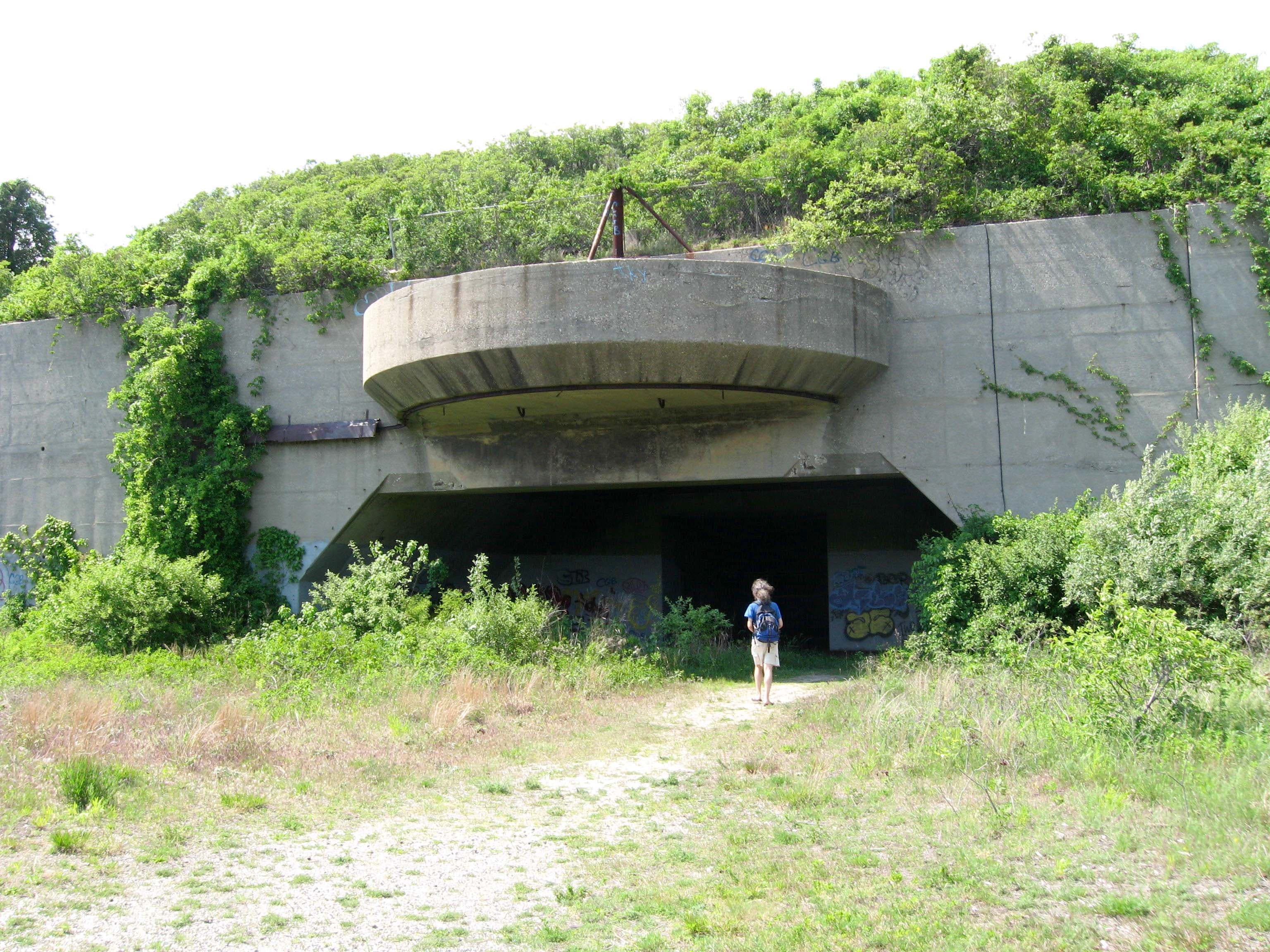
Fort Tilden is a 1917 coastal artillery fort turned Cold War missile site at the edge of the Rockaways — now abandoned batteries and trails in the Gateway National Recreation Area. See empty gun emplacements, rusting observation towers, and artists' studios before exploring one of the city's wildest shorelines.

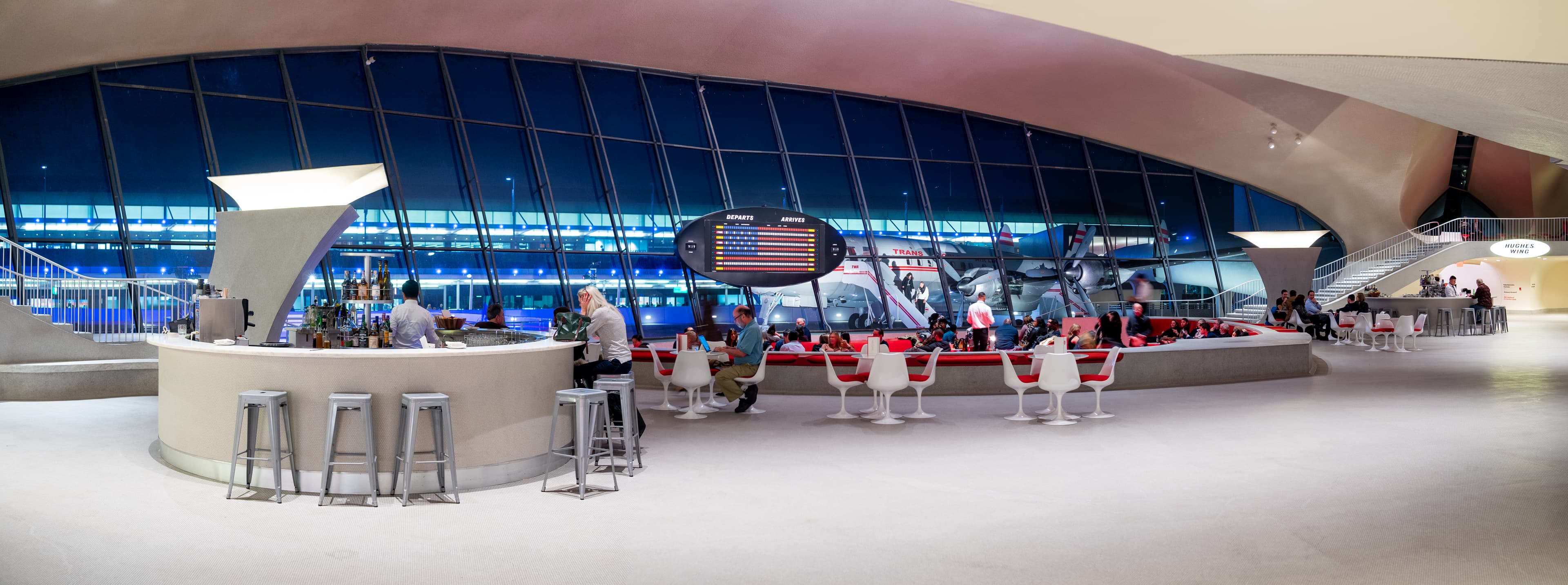
Eero Saarinen's 1962 TWA Flight Center at JFK — a concrete bird frozen mid-flight — sat empty for 18 years after TWA's collapse. Now reborn as the lobby of the TWA Hotel, its restored sunken lounges, red carpet, and split-flap departure board are open to visitors, no ticket required.
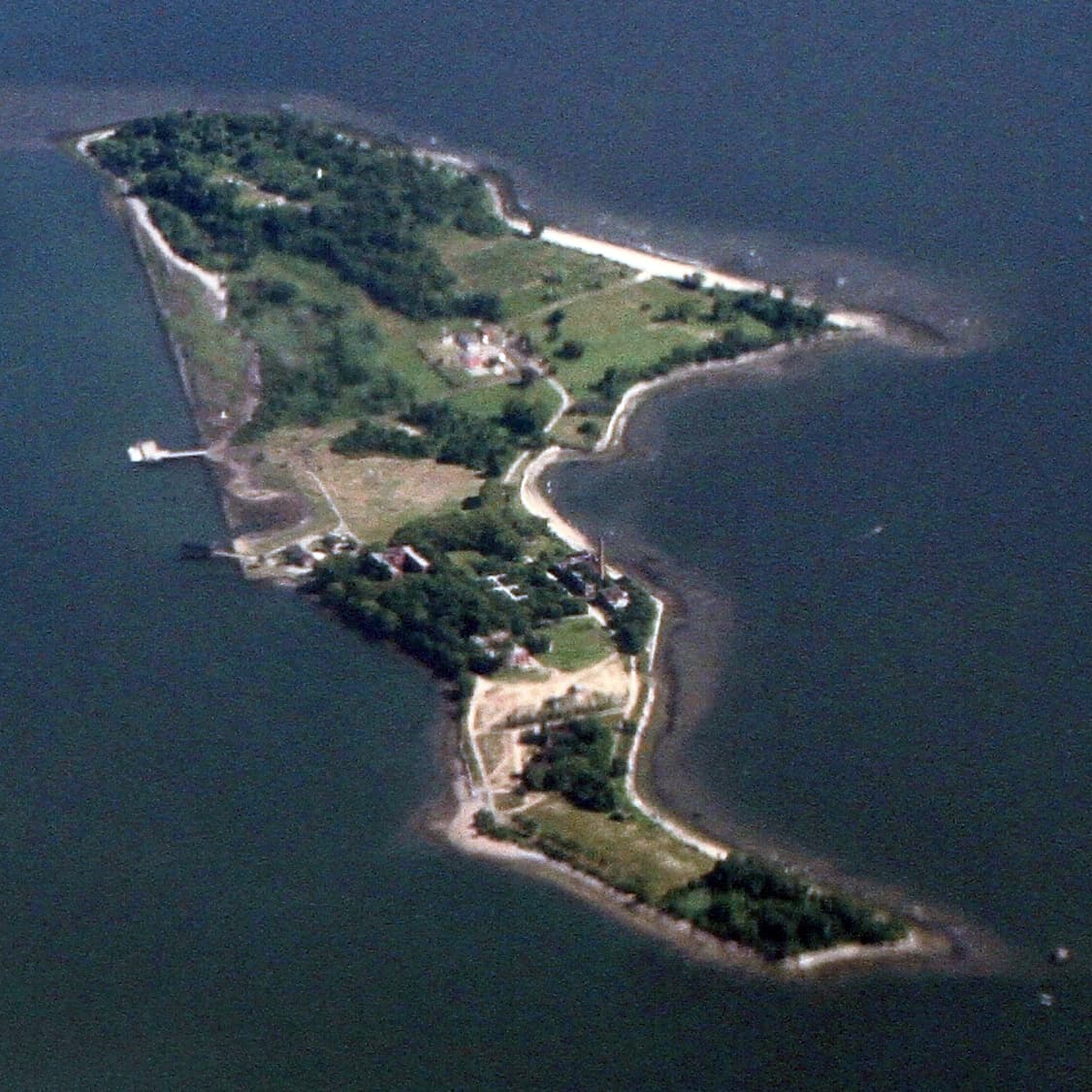
Off the Bronx shore sits an island where New York has buried its unclaimed dead since 1869 — around a million people, on land the public couldn't set foot on for 150 years. Hart Island served as the city's potter's field, closed to the public for over 150 years before limited guided visits began.
Plotting exact GPS coordinates of 22 documented field stories.
Browse our growing index of short-form topics categorized by infrastructure type, era, and civic significance.
Secret tunnels, disguised brownstones & forgotten vaults
Holdout spites, engineering battles & civic transformations
Brutalist monoliths, Beaux-Arts rail temples & skybridges
Elevated subway arches, Roman aqueducts & tramways
Pier 55 floating islands and industrial elevated high lines
Decommissioned IND subway stations and dinosaur rotundas

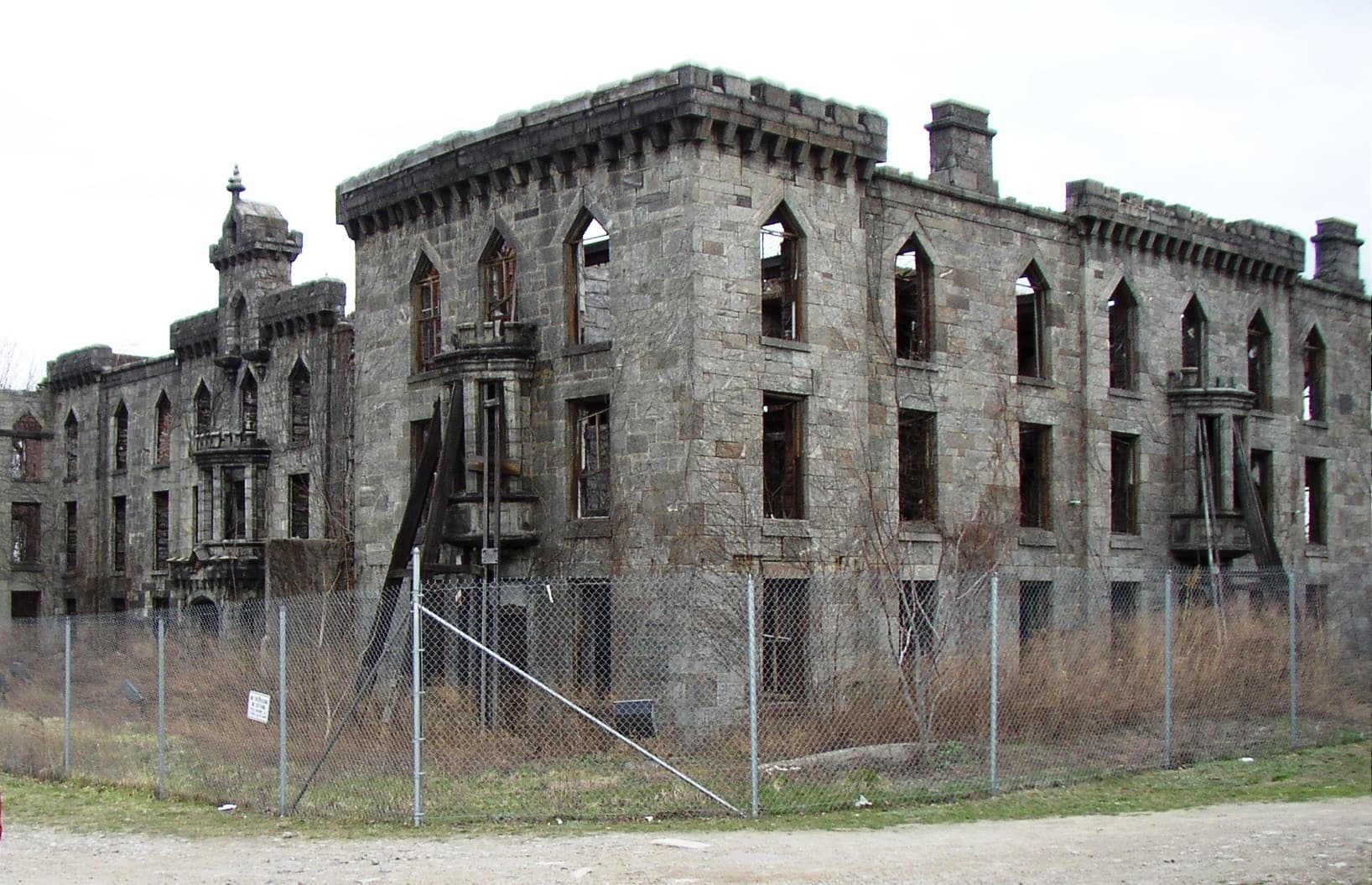
The Smallpox Hospital on Roosevelt Island was the first major U.S. hospital dedicated to smallpox care, treating roughly 7,000 patients from 1856 to 1875. Designed by James Renwick Jr. in Gothic Revival style, the roofless granite shell is now New York City's only landmarked ruin — viewable from Southpoint Park and FDR Four Freedoms Park.

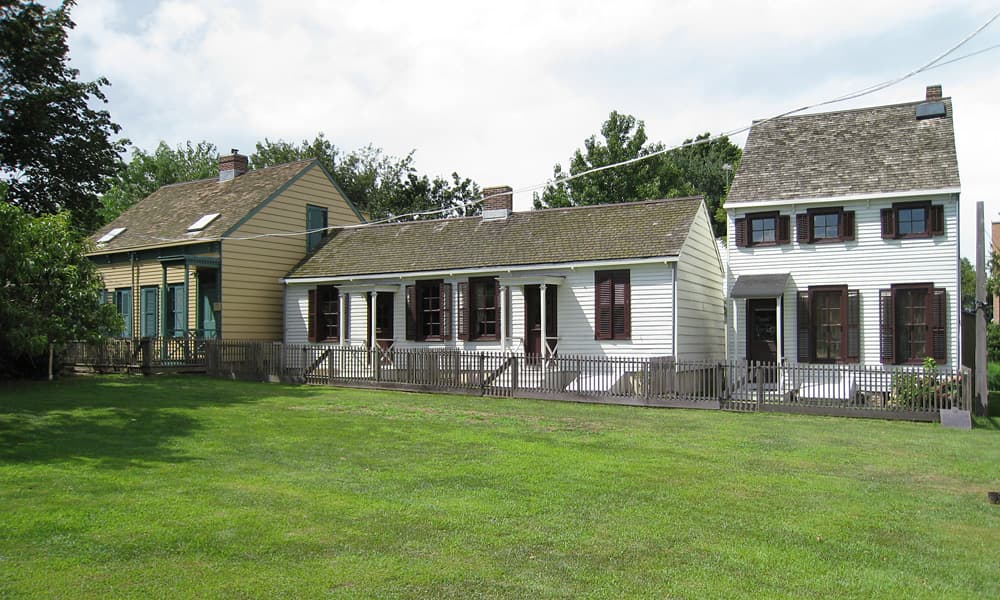
In 1838, a formerly enslaved stevedore named James Weeks bought land in Brooklyn and founded Weeksville, one of the nation's first free Black communities. Its surviving Hunterfly Road houses are now preserved at the Weeksville Heritage Center.
Fort Tilden is a 1917 coastal artillery fort turned Cold War missile site at the edge of the Rockaways — now abandoned batteries and trails in the Gateway National Recreation Area. See empty gun emplacements, rusting observation towers, and artists' studios before exploring one of the city's wildest shorelines.

Eero Saarinen's 1962 TWA Flight Center at JFK — a concrete bird frozen mid-flight — sat empty for 18 years after TWA's collapse. Now reborn as the lobby of the TWA Hotel, its restored sunken lounges, red carpet, and split-flap departure board are open to visitors, no ticket required.
Off the Bronx shore sits an island where New York has buried its unclaimed dead since 1869 — around a million people, on land the public couldn't set foot on for 150 years. Hart Island served as the city's potter's field, closed to the public for over 150 years before limited guided visits began.

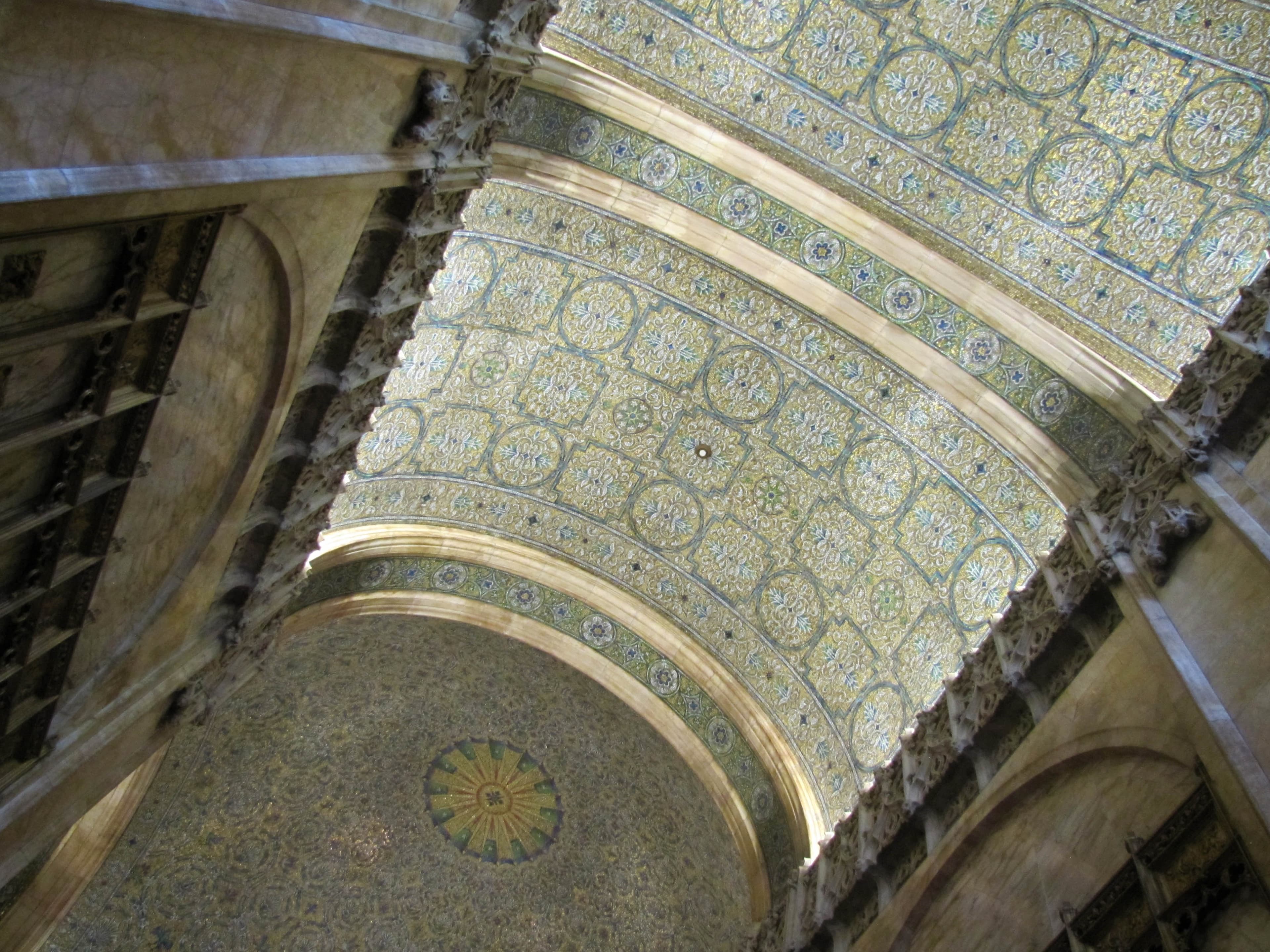
Behind an ordinary office entrance at 233 Broadway hides one of the most spectacular interiors in America — a neo-Gothic lobby of marble, mosaic, and bronze, open only on guided tours.
From the 1844 railroad tunnels under Brooklyn to historic landmarks worldwide, explore our complete field archive.