From Failed Shuttle Terminal to Living Archive
Court Street station opened in April 1936 as a shuttle stop intended to connect with future lines that were never constructed due to the Depression and World War II. After years of sparse ridership, the station closed in 1946. For decades it was utilized only for movie shoots and equipment storage before opening as a temporary Bicentennial exhibit in 1976 that became permanent.
The Two-Stop Shuttle That Couldn't Last
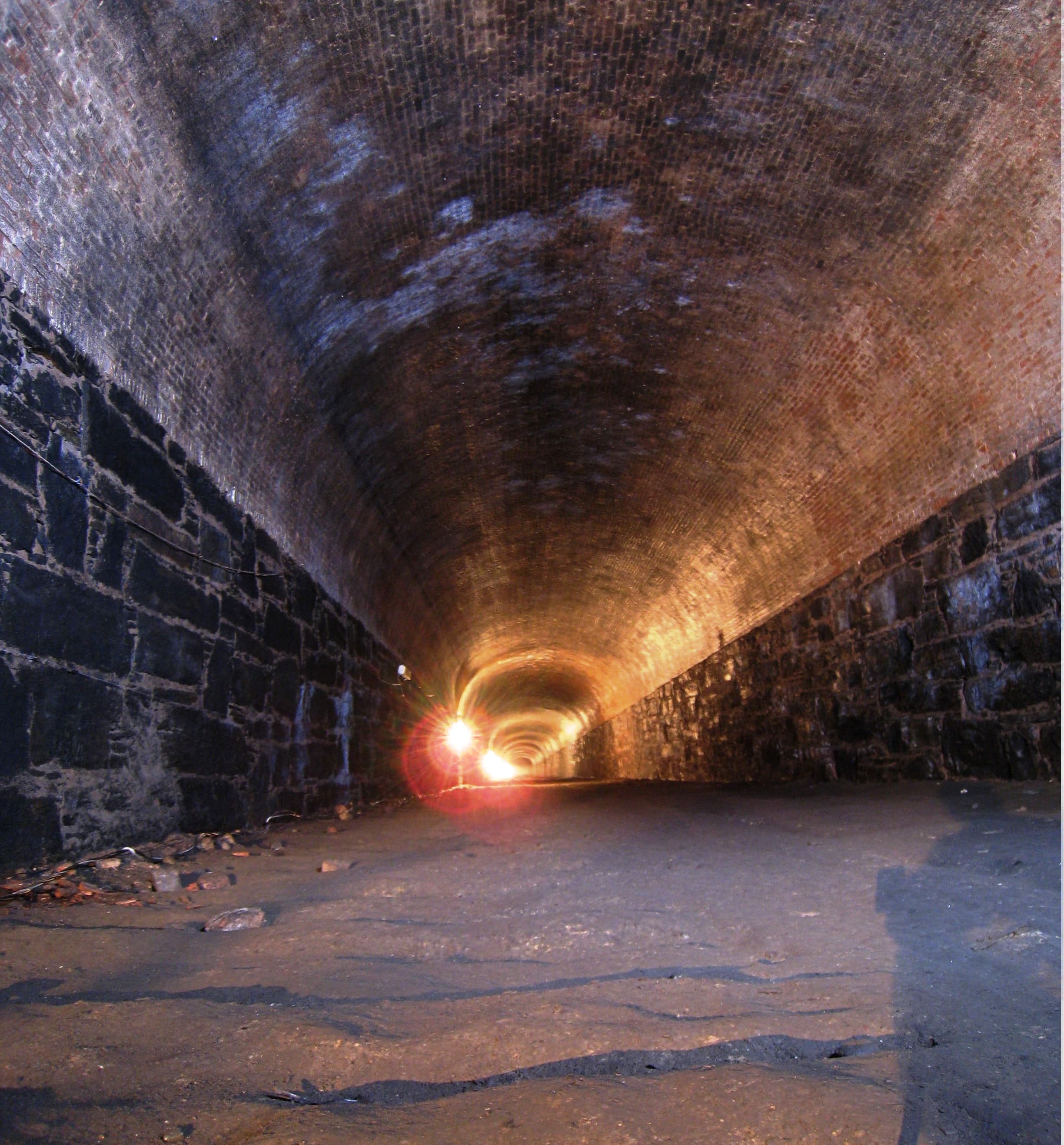
When the Independent Subway's Fulton Street Line opened on April 9, 1936, the letter H was already spoken for. The HH was meant to run local from Court Street all the way east to a future Euclid Avenue station, while express trains from Jay Street–Borough Hall and Manhattan handled the long hauls. That future never arrived. Instead, every HH train that ever ran served exactly two stations: Court Street and Hoyt–Schermerhorn Streets, three blocks apart, on weekdays and Saturdays from 7 a.m. to 7 p.m. The arrangement lasted barely a decade. With the stations so close together, the city pulled the plug on June 1, 1946, at 7 p.m., and the shuttle vanished. The outer tracks at Hoyt–Schermerhorn never carried revenue passengers again, though they later hosted Aqueduct Racetrack specials between 1959 and 1981. The connecting tracks between the Fulton Street Line and Court Street, however, were never torn up. They are still operable today, and the museum uses them to shuttle vintage trains in and out of the exhibit — which is why, on a quiet morning, you can sometimes hear steel wheels moving through tunnels that have not served a scheduled passenger in eighty years.
From Bicentennial Pop-Up to Permanent Institution
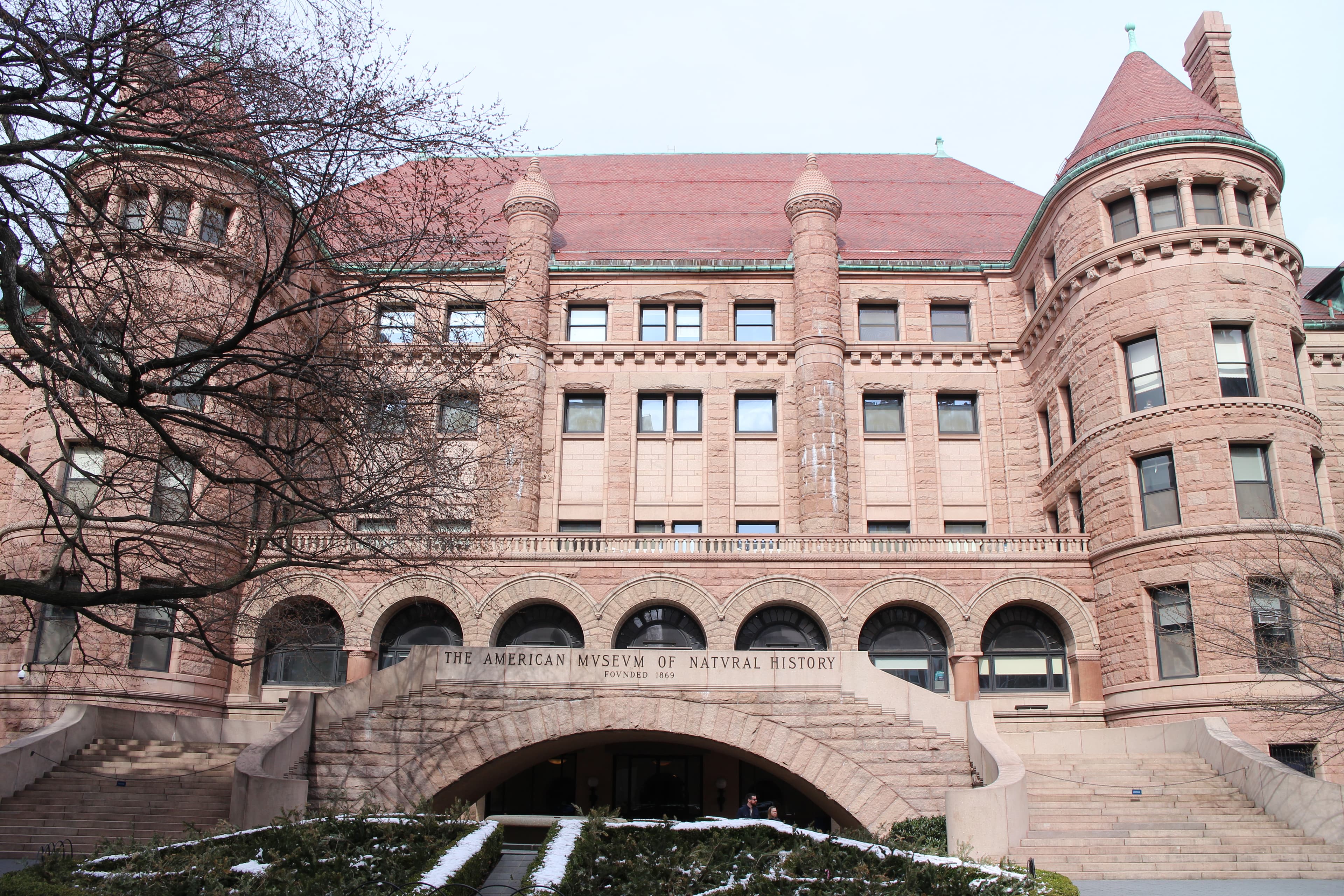
The museum was never supposed to exist. On July 4, 1976, a group of transit employees opened the "New York City Transit Exhibit" in the decommissioned station as part of the United States Bicentennial celebration. Admission was one subway token. Old cars that had been preserved by the agency were rolled in alongside models, photographs, and memorabilia, the plan was to close everything down that September. New Yorkers kept showing up. The exhibit never closed. During that first summer, the museum ran weekend nostalgia trains that left 57th Street–Sixth Avenue, rumbled out to Rockaway Park, and paused for an hour at Court Street so riders could wander the exhibit. The formula worked so well it never really stopped. In the mid-1990s, the MTA took control of the museum from the Transit Authority and widened its scope beyond subways to include commuter rail — Metro-North, the Long Island Rail Road, the Staten Island Railway — plus the bridges and tunnels under MTA Bridges and Tunnels. Today it is the largest museum in North America devoted to urban transportation, holding an archive of more than one million objects and drawing over half a million visitors a year. Its fiftieth anniversary in 2026 brought a citywide transit scavenger hunt, a Parade of Trains at Brighton Beach, and members-only nostalgia rides aboard BMT cars built between 1914 and 1924.
A Century of Car Design on One Platform
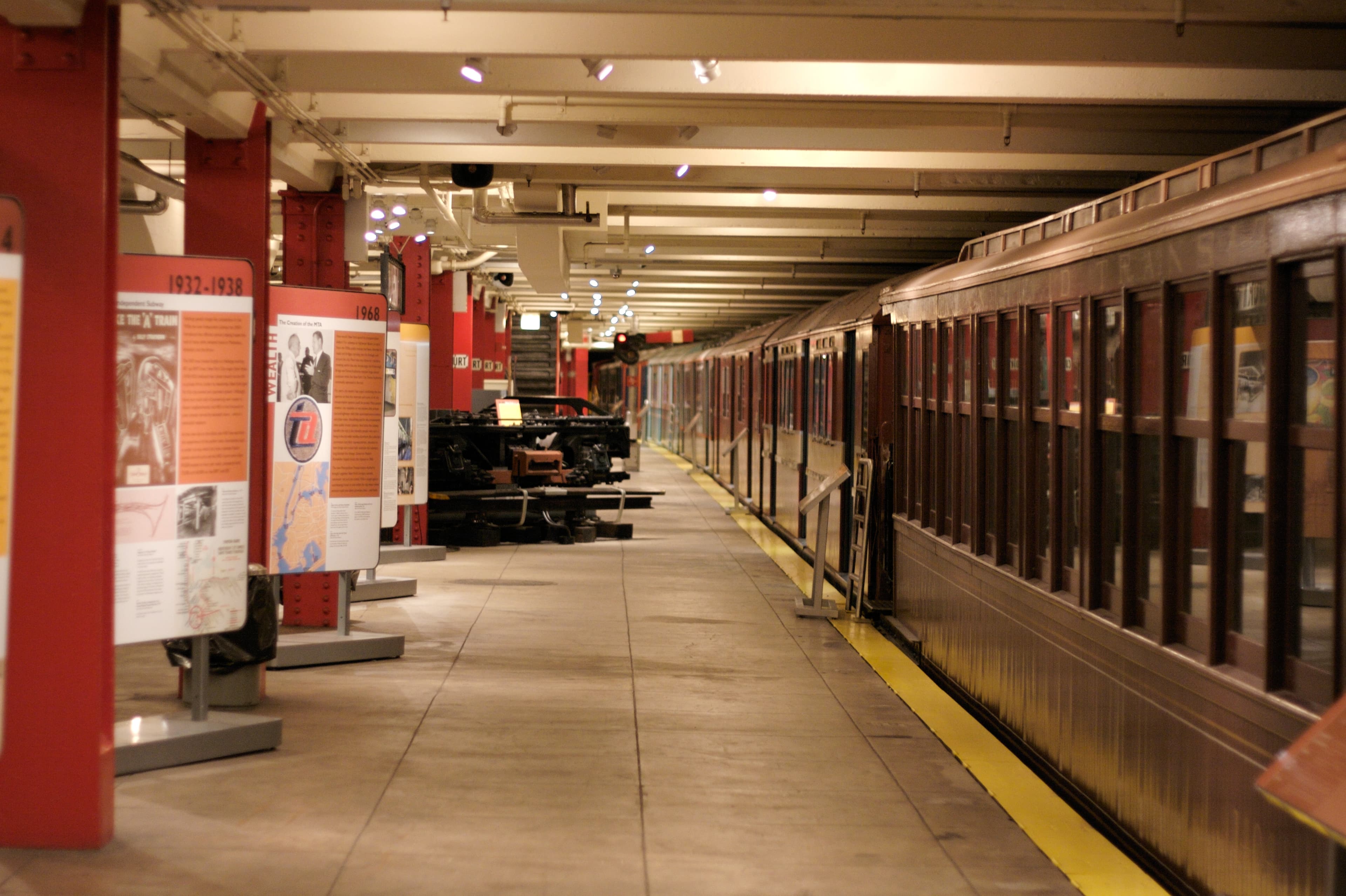
Stand on the platform and look down the row of cars, and you are looking at the whole history of the American subway car. The oldest operational members of the fleet are the BRT Brooklyn Union gate cars, built between 1908 and 1969 — wooden-bodied coaches mounted on steel underframes that spent their working lives on Brooklyn's elevated lines. A few cars down, the BMT Standards of 1914 brought the first all-steel car bodies to the system, ending the era when an elevated-line collision could splinter a wooden car like kindling. The articulated D-Type "Triplex" cars, built by the Pressed Steel Car Company in 1925 and 1927–28, ran as three permanently coupled sections with a walkway between them — and their enclosed, soundproofed interiors with electric lighting were a revelation next to the drafty wooden cars they replaced. The postwar era arrives in the Train of Many Metals: an R10 from 1948, the first car built with LAHT steel construction; an R16 from 1955; an R11 in gleaming stainless steel; and R38s and R40s from the 1960s, the first cars delivered with air conditioning. That mixed consist first ran as a unit in August 2014 on an excursion to the Rockaways, and it still appears on nostalgia rides to Coney Island, where a regular subway fare buys a ride through seven decades of industrial design.
A Backlot Beneath Brooklyn
Long before it was a museum, the dead station was a movie set. The most famous production was 1974's The Taking of Pelham One Two Three, which the MTA allowed to film inside the abandoned Court Street station and the tunnels connecting it to Hoyt–Schermerhorn. City officials had worried the film would teach viewers how to hijack a train; they relented for a $250,000 payment to the Transit Authority plus another $75,000 for insurance. Art director Gene Rudolf reconstructed the mosaics, lettering, and color schemes of an IRT local station inside Court Street and built a replica motorman's cab with removable walls and ceiling so cameras could move during the radio exchanges between the hijackers and Lt. Garber. The city's single stipulation: the cars on screen could not be defaced with graffiti, a condition sharp-eyed critics flagged as the one false note in a film otherwise drenched in 1970s New York grit. The abandoned outer platforms at Hoyt–Schermerhorn, three blocks away, picked up their own filmography: The Warriors, the 2009 Pelham remake, and in 1987, Martin Scorsese directing Michael Jackson's "Bad" music video on the disused tracks. The shoot grew so legendary that in 2009 a council member tried, unsuccessfully, to add Jackson's name to the station; a mural on the facade at 45 Hoyt Street was the compromise. Whatever brought the cameras here, the station's afterlife as a set has now lasted far longer than its working life as a station.
Museum Highlights
- Fully operational vintage subway cars dating from the 1900s through the 1980s are parked along the electrified tracks.
- The museum preserves original turnstiles, fare collection booths, and route sign boards.
- The historic subterranean tilework has been restored to the original 1936 IND color standards.
Hero photo: Marcin Wichary, CC BY 2.0, via Wikimedia Commons.
Location Photography


Gallery photos: King of Hearts (CC BY-SA 4.0), King of Hearts (CC BY-SA 4.0), King of Hearts (CC BY-SA 4.0), wctaiwan (CC BY-SA 4.0) via Wikimedia Commons.