A Disguise on a Historic Block
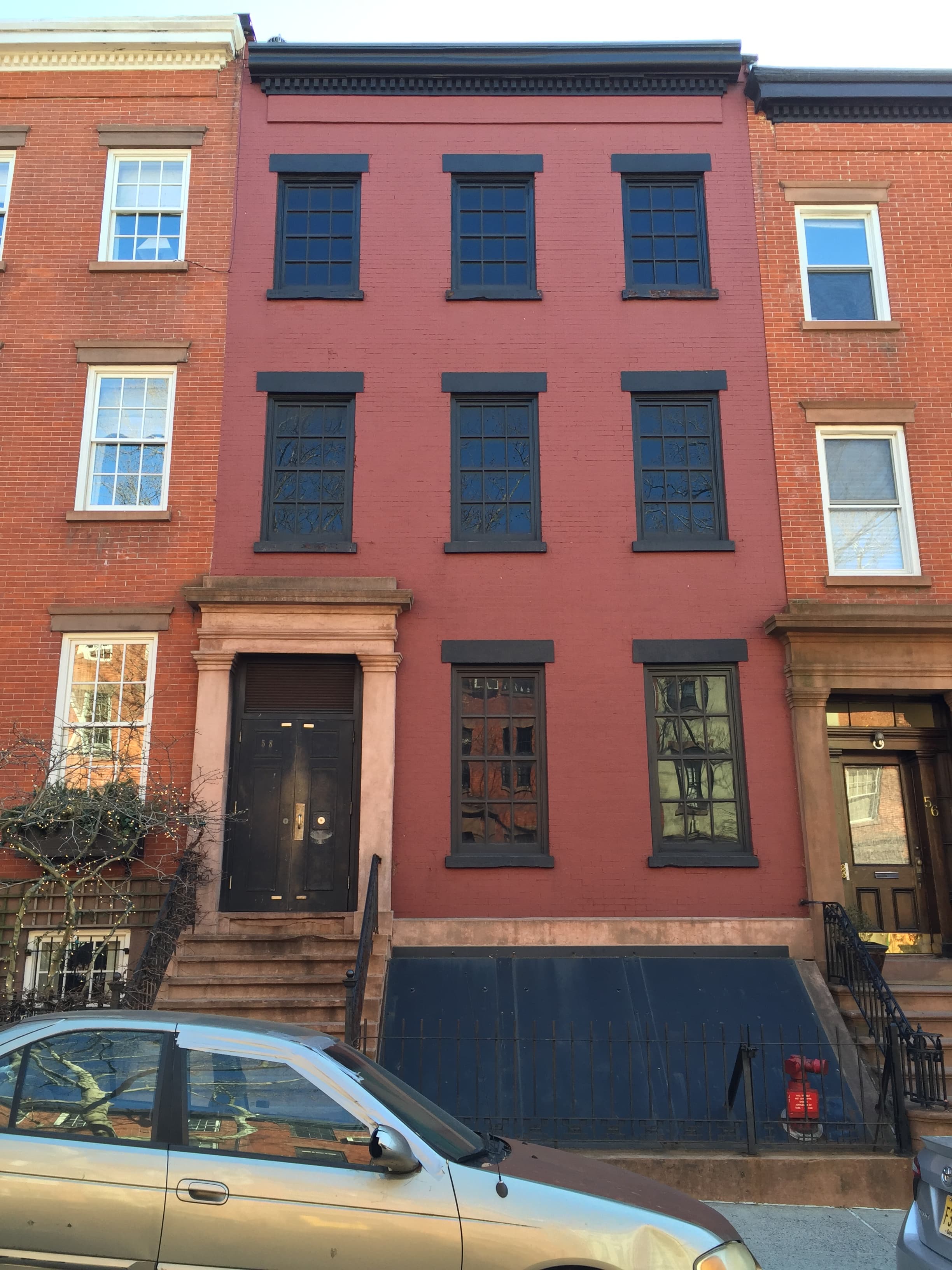
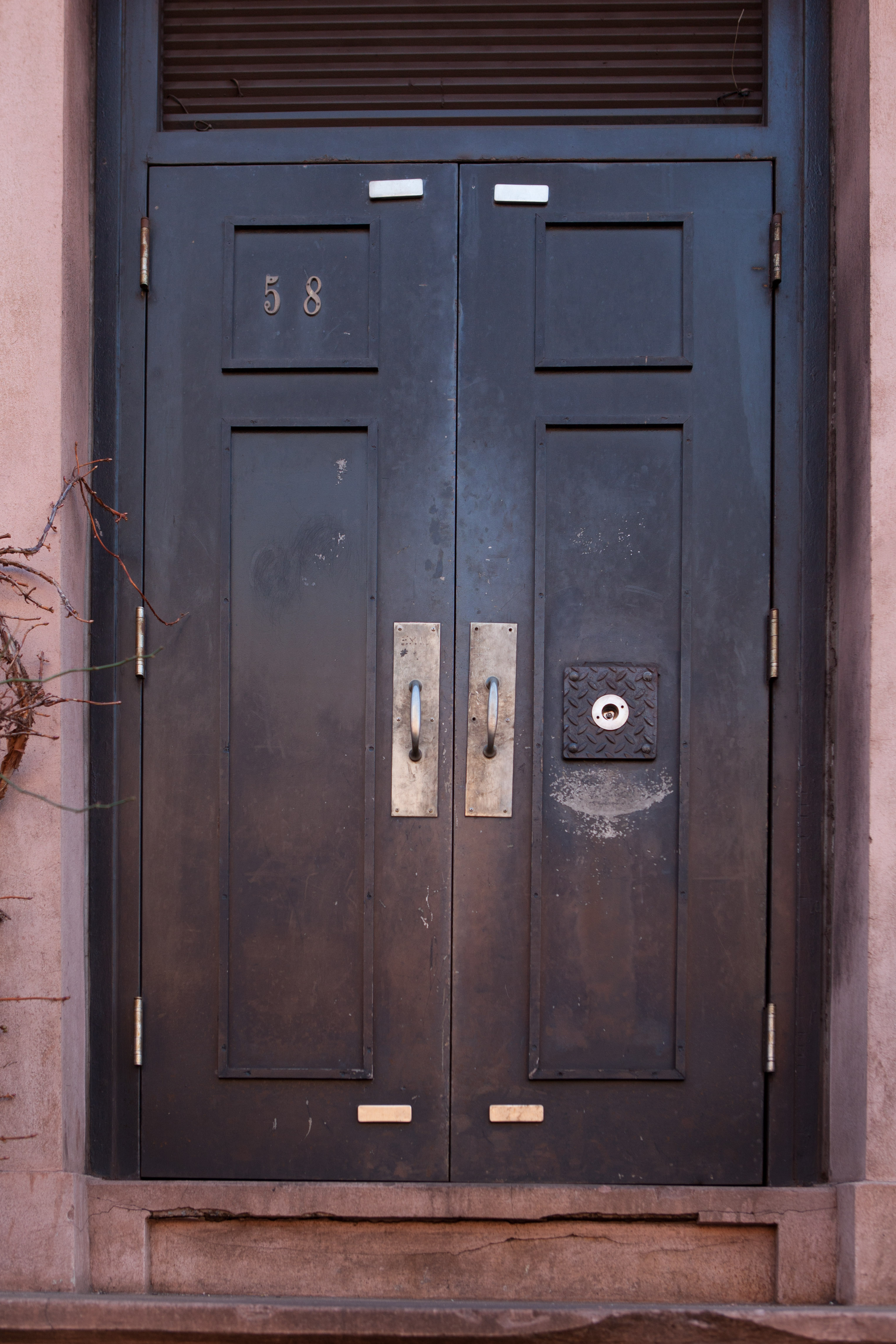
Walking down tree-lined Joralemon Street, number 58 looks almost identical to its neighboring 19th-century Greek Revival rowhouses. But upon closer inspection, you notice the windows are made of pitch-black tinted glass with zero curtains or movement inside.
Subway Ventilation and Emergency Egress
In 1908, the Interborough Rapid Transit company acquired the private residence during the construction of the Joralemon Street Tunnel, which connects Bowling Green in Manhattan with Borough Hall in Brooklyn. The interior was gutted to create an industrial vent shaft and emergency stairs down to the 4 and 5 subway tracks.
The First Tunnel Under the East River
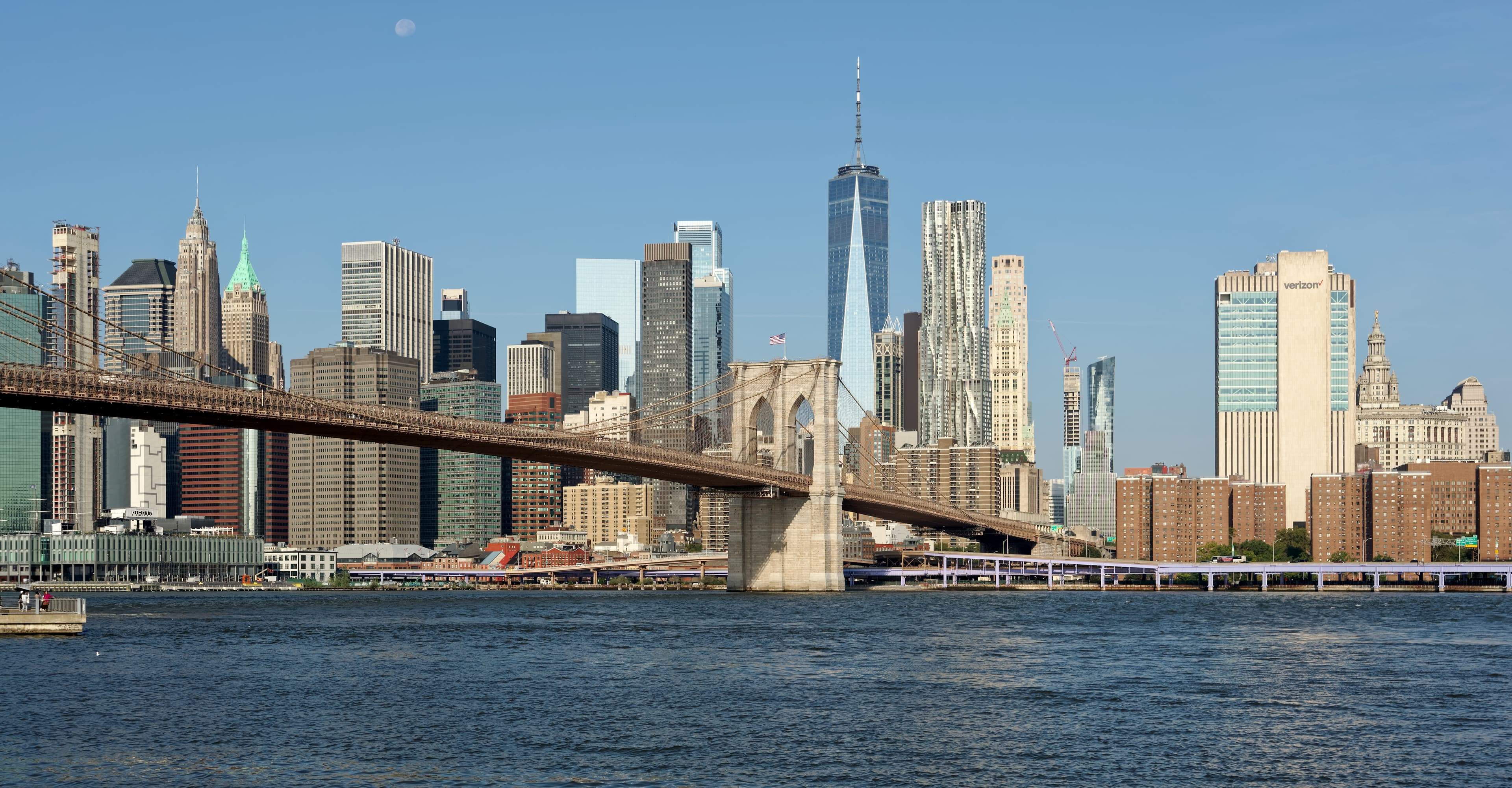
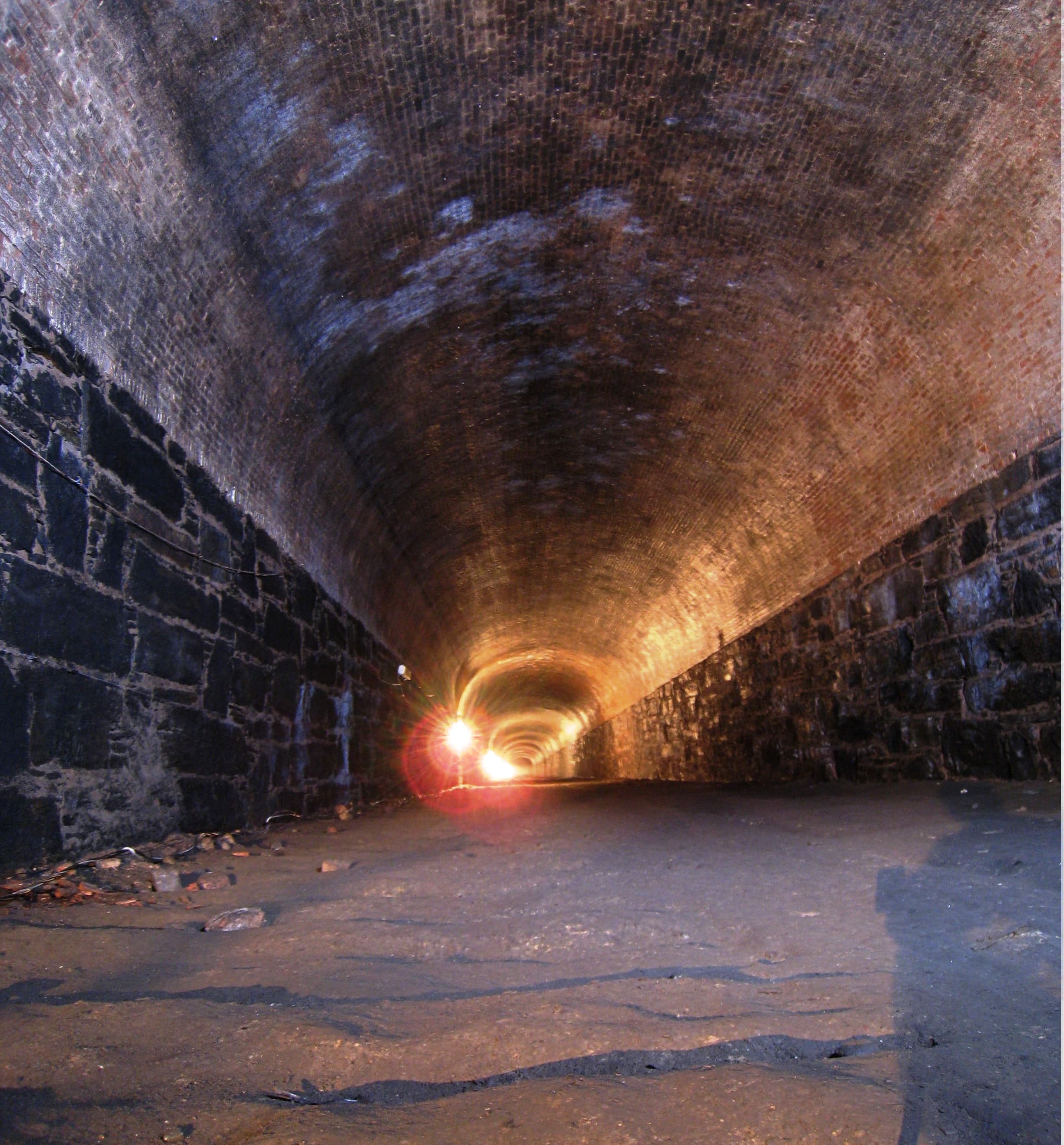
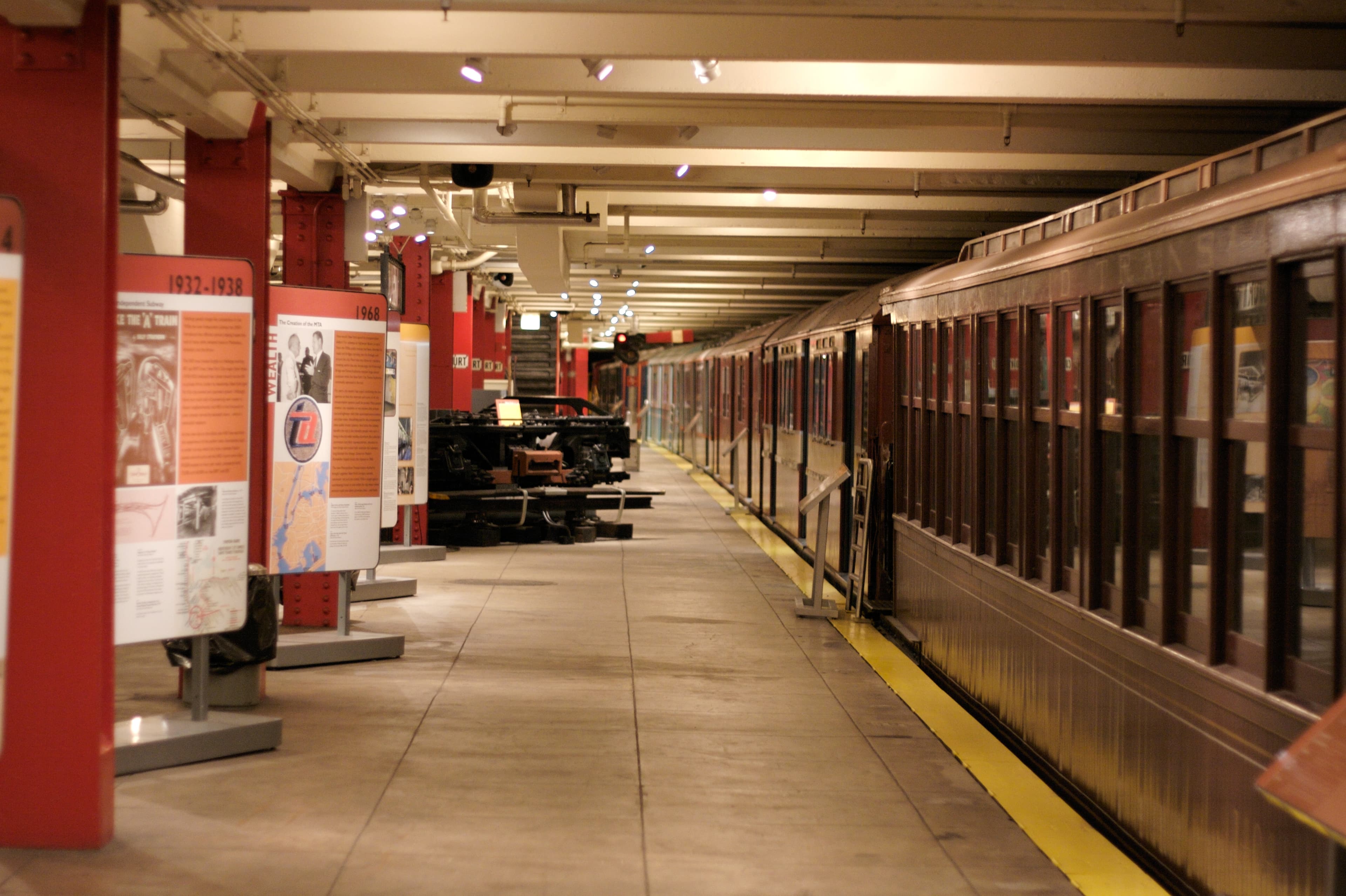
The reason number 58 exists at all lies deep below it, under the East River. In 1902 the Interborough Rapid Transit Company signed Contract 2 with the Rapid Transit Commission, committing to extend its brand-new subway from Bowling Green in Manhattan to Brooklyn. To get there, engineers had to drive two parallel cast-iron tubes beneath the riverbed, the first underwater subway crossing between the two boroughs. Work began in March 1903 using the shield method, with crews excavating under compressed air and bolting curved iron plates into rings behind them. The riverbed fought back: it shifted unpredictably between rock, soft sand, and clay, and on March 28, 1905, near the Brooklyn shore, pressurized air burst through the tunnel's crown with such force that it blew one worker up through the mud, through the river itself, and forty feet into the air. He survived, remarkably, but hundreds of other laborers suffered the bends, the decompression sickness that came with climbing out of the pressurized heading. Clifford Milburn Holland, later the namesake of the Holland Tunnel, served as assistant engineer on the job. The first train ran through the completed tubes in November 1907, and regular passenger service between Bowling Green and Borough Hall began on January 9, 1908, to enormous fanfare among Brooklyn commuters; the line reached Atlantic Avenue that May. The tunnel was listed on the National Register of Historic Places in 2006.
From Parlor to Power Station
The 1847 Greek Revival residence had already been subdivided into apartments when the IRT arrived. In 1908 the transit company bought it, and rather than demolish the shell it gutted everything inside and dug beneath it, turning the townhouse into a fan plant and emergency exit for the tunnel below. A 1906 letter from the chief subway tunnel engineer explained that vents were needed on both sides of the East River to keep the tunnels supplied with fresh air, and 58 Joralemon sat almost directly over the alignment. In its early decades the hollow interior held a bank of electrical equipment that converted alternating current into the 600-volt direct current that powered the IRT. Today the gutted house is two things at once: a ventilation shaft whose fans, in a tunnel fire, can pull smoke out fast enough to matter, and an emergency stairway down to the 4 and 5 tracks. A Brooklyn Daily Eagle reporter described a grimy-lit staircase winding past utility boxes and ventilation shafts into a windowless room with a door that opens onto the stoop, which is itself only a facade. Ownership passed to the Board of Transportation in 1940 and the Transit Authority in 1953. Daytime-only fan tests followed neighbors' nighttime-noise complaints, and the direct neighbors can lease the backyard. The disguise was formalized in 1999, when an agreement with the Landmarks Preservation Commission dressed the facade in black Lexan windows so the facility would blend into the landmarked Brooklyn Heights Historic District.
A Family of Fake Buildings
Stand across the street and play the game the building invites. Real Brooklyn Heights houses have curtains, planters, a mat for muddy shoes; 58 Joralemon has black windows with nothing behind them, an industrial cover over the garden level, and a red FDNY-labeled pipe where a railing might be. It looks exactly the same in a 1940 photograph as it does today, which is the point. BldgBlog once called it "the world's only Greek Revival subway ventilator," and Umberto Eco's novel Foucault's Pendulum imagines a fake Parisian house that hides a Metro vent, proof that the idea travels. London has the original: at 23 and 24 Leinster Gardens in Bayswater, two five-story facades with blackened windows conceal the Metropolitan line's steam-venting shaft, built in the 1860s so the railway would not spoil the street. Paris has its own at 145 rue La Fayette, a townhouse shell around a Metro ventilation flue. New York's second entry is the Strecker Memorial Laboratory on Roosevelt Island, a landmarked 1892 building that now houses MTA electrical equipment. The trick works because the infrastructure is genuinely industrial: a shaft that moves enormous volumes of air, fans that need testing, stairs that must be ready the night everything goes wrong. The facade is a 1999 preservation agreement made visible: the Landmarks Commission's way of keeping a working piece of the subway from breaking the rhythm of one of the city's oldest streetscapes.
Hero photo: Ehmorris, Public domain, via Wikimedia Commons.
Location Photography


Gallery photos: Autopilot (CC BY-SA 3.0), Autopilot (CC BY-SA 3.0), Ehmorris (Public domain) via Wikimedia Commons.