The city's potter's field
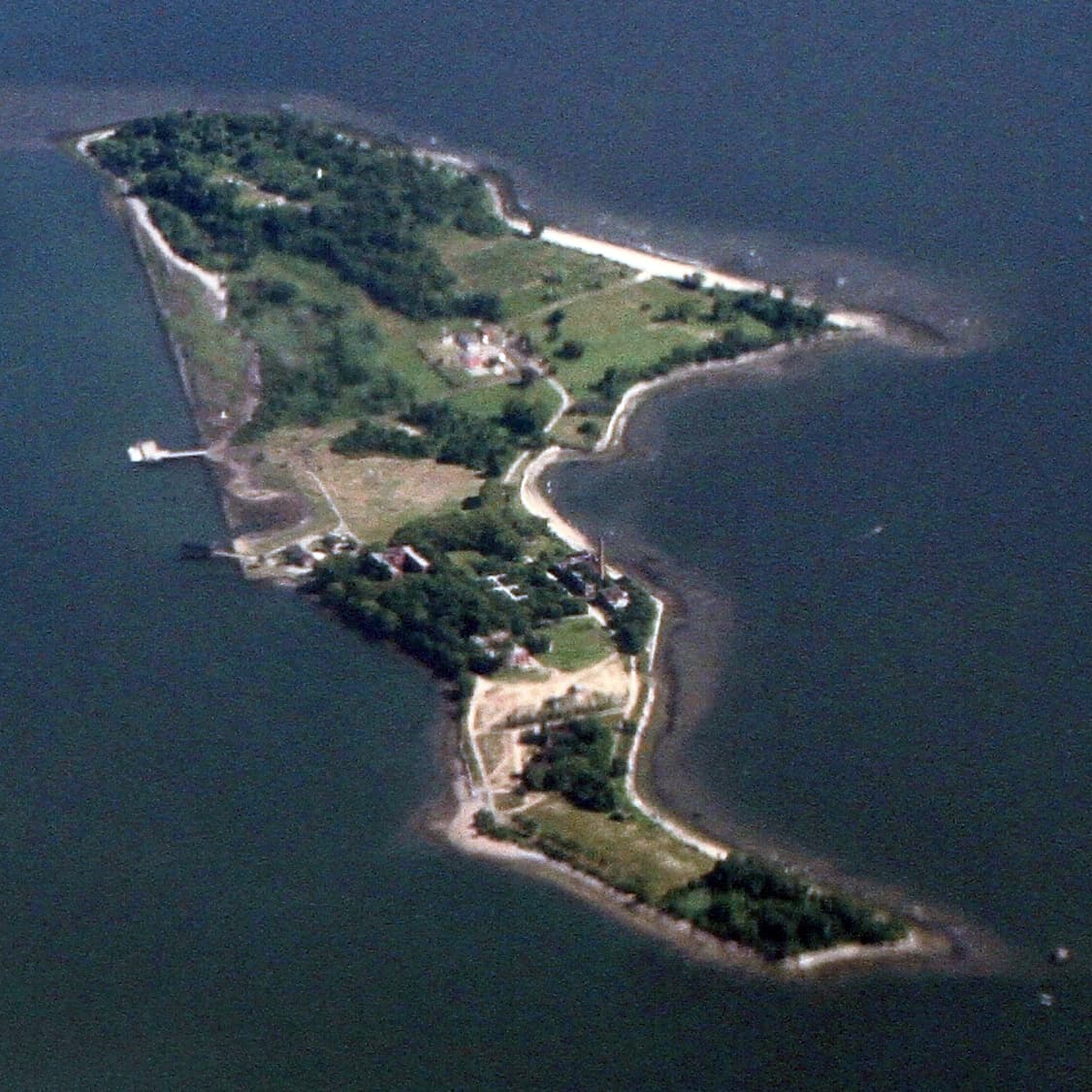
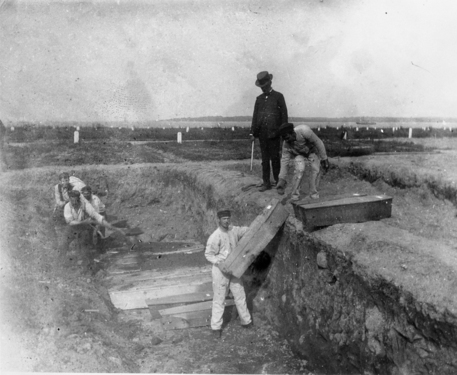
Since 1869, New York has buried its unclaimed and unidentified dead on Hart Island — a mile-long strip of land in Long Island Sound off City Island. The numbers are staggering: around a million burials, in trenches dug by hand, each coffin stacked three deep and marked only by a numbered concrete post. For most of its history, no family member could visit a grave; the island was run by the Department of Correction, and the burials were carried out by laborers from Rikers Island.
150 years off-limits
For a century and a half, Hart Island was one of the most forbidden places in New York — closer to the Bronx than most city parks, yet entirely closed to the public. That began to change when the island was transferred to the Parks Department in 2021. Limited guided visits are now allowed, and for the first time, families can apply to visit the graves of relatives buried there.
How to see it
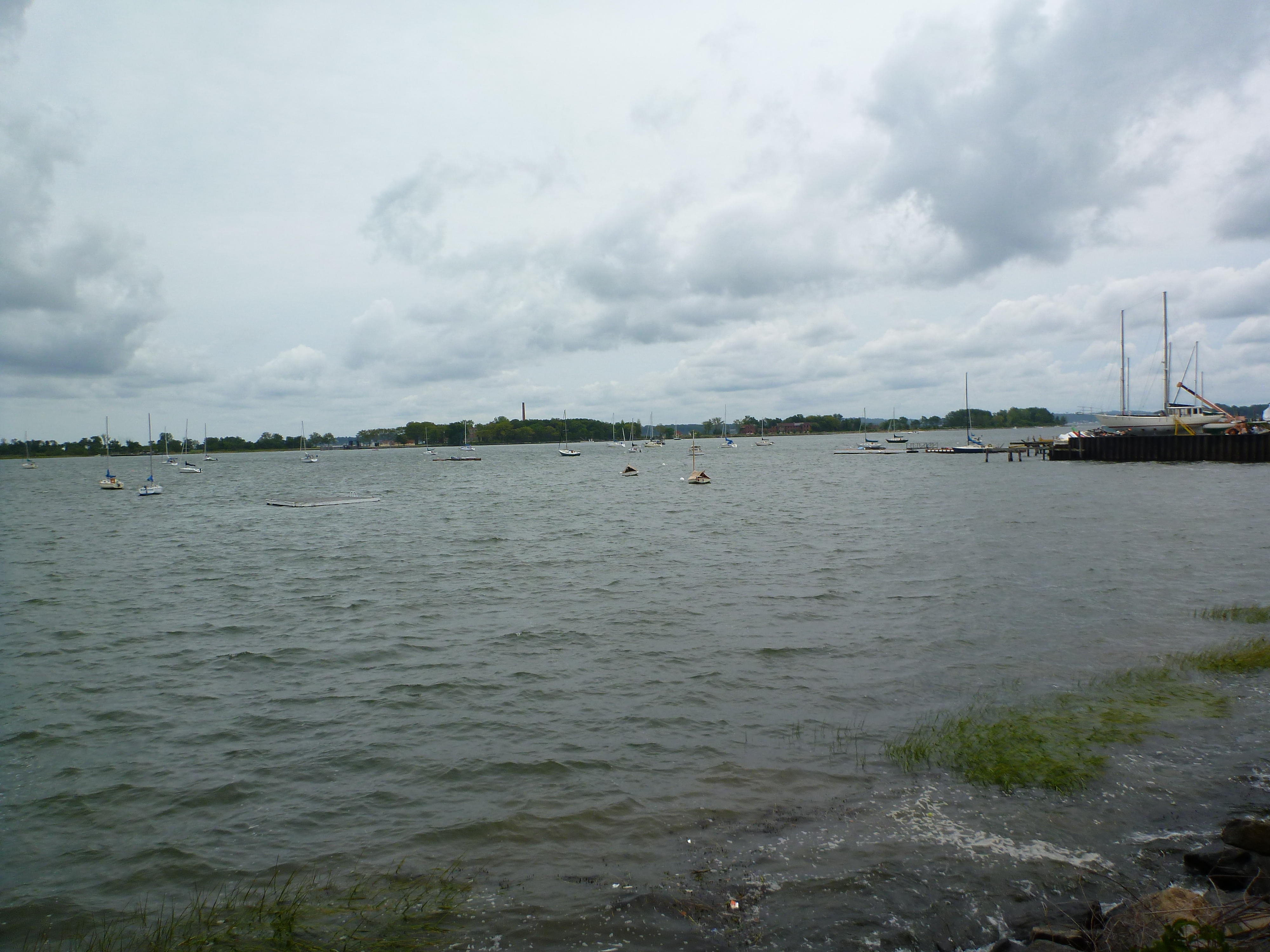
Public access is still tightly controlled: visits are by reservation through the Parks Department, usually on set monthly dates, and landings are guided. The island is also visible from the water — boats pass nearby on the way to City Island — and its shoreline, chapel, and burial fields have been photographed from the water for years.
Before the burials
Long before it held the dead, Hart Island held everyone the city wanted out of sight. The island — 131 acres in the Pelham archipelago, a mile long and a third of a mile wide — first served as a training ground for the United States Colored Troops in 1864, then as a Union prison camp for Confederate soldiers. New York City bought it in 1868 and opened the public cemetery at its northern tip in 1869. But burial was only ever one of the island's jobs. In 1870, during a yellow fever outbreak, the sick were quarantined on Hart Island, and a hospital for tuberculosis patients followed as the city mounted the country's first campaign against the "white plague." An 1885 pavilion building took the overflow from the Blackwell's Island insane asylum — women, labeled "lunatics" in the era's vocabulary, in chronic cases. In 1904 the island became a reformatory for male misdemeanants aged sixteen to thirty; when those prisoners were moved in 1914, the jail took in aged prisoners and overflow from city jails, and the Department of Welfare housed men it called derelicts there into the 1950s. The Navy ran a disciplinary barracks on the island during World War II — three German sailors from a surfaced U-boat were held there — and from 1955 to 1961 the Army kept a Nike missile base on ten acres of it. The last institution to operate was Phoenix House, the drug rehabilitation program, from 1966 to 1976. In 1946 the Department of Correction took control of the whole island, and for the next century and a half the cemetery ran as a penal operation. The last inhabited structures were abandoned in 1977. At various points developers proposed other futures — at one time, even an amusement park — but nothing was ever built, and the dead kept coming.
The AIDS years
The first person buried on Hart Island was Louisa Van Slyke, a twenty-four-year-old who died of tuberculosis in 1869 with no family to claim her. The cemetery's system was already industrial by then: until 1913 the unknown went into single plots, but after that year the trenches were separated to make disinterment easier — 150 coffins to a plot, stacked three deep, each marked by a numbered concrete post. More than a century later, another epidemic gave the island its most sorrowful chapter. In 1985, at the height of fear over AIDS, funeral homes were turning away the dead, and seventeen early victims were buried on the island's isolated southern tip. They were the only people on Hart Island ever given individual graves — buried fourteen feet deep, delivered in body bags, lowered by inmate workers in protective jumpsuits that were destroyed afterward as contaminated. One marker read "SC-B1, 1985": the first child to die of AIDS in New York City. At the time almost nothing was understood about transmission, and depth was a precaution. Once it became clear the dead could not spread HIV, the city returned to burying AIDS victims in the mass trenches. But stigma and poverty kept the burials coming through the 1980s and 1990s, in numbers no one can fully count. As the New York Times reported in 2018, Hart Island's potter's field is "perhaps the single largest burial ground in the country for people with AIDS."
The spring of 2020
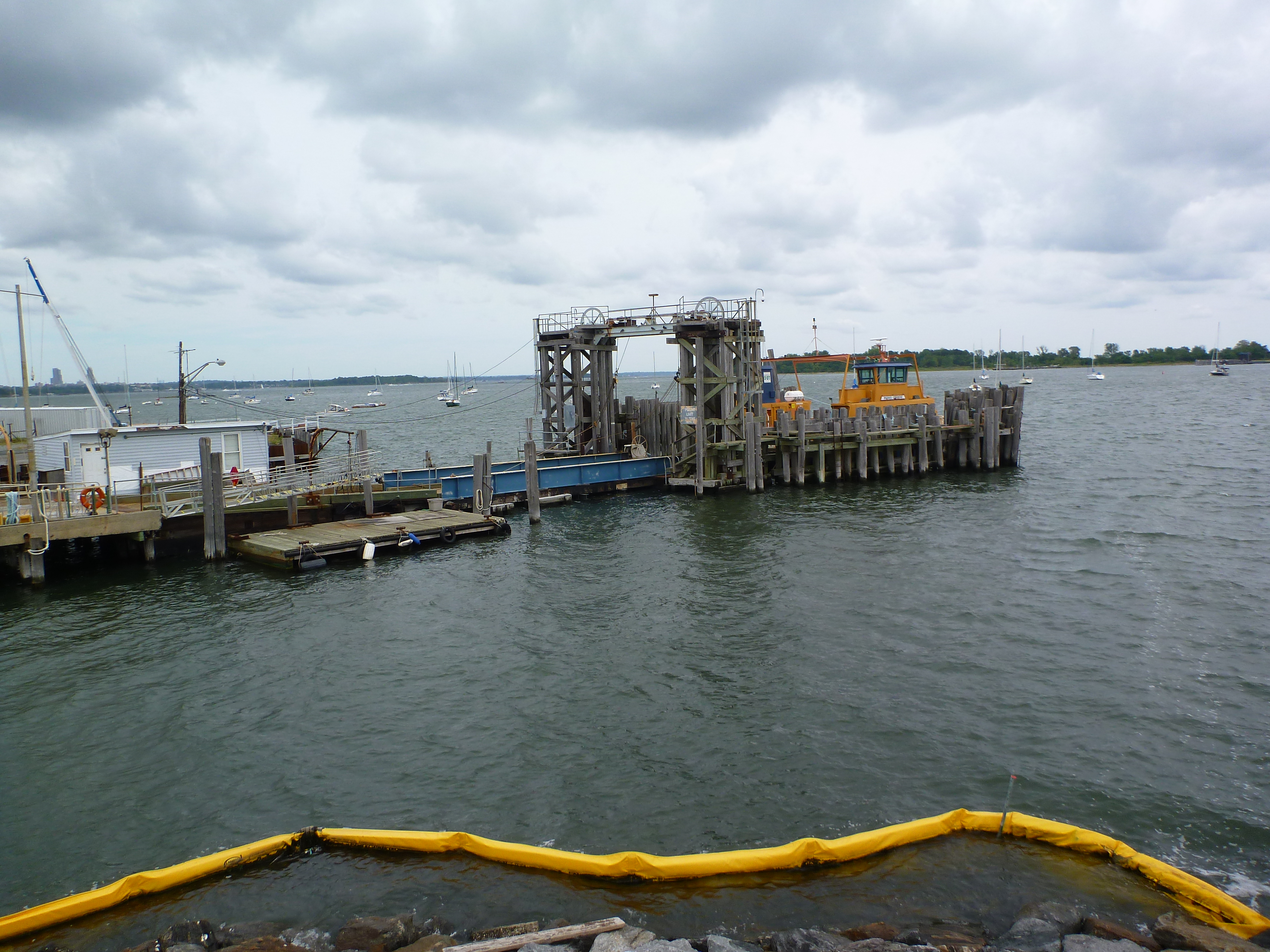
On April 9, 2020, drone footage showed workers in protective suits lowering plain pine boxes into a long trench on Hart Island, and the images circled the world. They shocked a city that had mostly forgotten the island existed — but the burials were not new, only suddenly more numerous. In normal times about twenty-five bodies a week were interred by laborers from Rikers Island. During the pandemic's first wave, the Department of Correction said burials had increased five-fold, to about two dozen a day, five days a week, and two new trenches were dug to receive them. The city's medical examiner was holding bodies for fourteen days before release, hospitals had refrigerated trucks parked outside, and the unclaimed and the unfunded-for kept arriving. One detail from the coverage lodged in the memory: each casket had the deceased's name scrawled on it in large letters, in case a family ever came looking and a disinterment was needed. The Rikers crews were stood down for social distancing, and contract laborers took their place. The crossing itself was part of the operation: the Department of Correction ferry, the Michael J. Cosgrove, carried the workers and a truck loaded with boxed bodies to the island, where a forklift drove down a ramp into the trench to deliver the day's coffins. Mayor de Blasio, denying rumors of temporary burials in public parks, said that if the city ever needed such a place, it would be Hart Island — where burials were already done, and where they had been done for 150 years.
The woman who forced the gates open
The reason families can visit Hart Island at all is largely one person. Artist Melinda Hunt came to the island on a photography assignment in the early 1990s and, with photographer Joel Sternfeld, began documenting it; their book, published in 1998, drew the first sustained public attention to the cemetery. Hunt founded the Hart Island Project to connect families with the buried, and when the Department of Correction refused to release burial records, she helped the NYCLU sue under freedom-of-information law. The records came out. Hunt's team digitized them into the Traveling Cloud Museum, an online archive that maps burial plots and gives each person a "clock of anonymity" — a timer that runs from the day of burial until someone adds a story, a photograph, an epitaph, and stops it. In 2018 the project mapped the entire island by drone, embedding the plots into more than 68,000 profiles. The activism worked. In November 2019 the City Council voted to move the island out of penal control and create a public park; Parks and Recreation took over visitor services in October 2021, ending 150 years of Correction Department rule. Until 2014, families of the buried could not reach the graves at all — visits were limited to a gazebo near the ferry dock. The change Hunt forced is the reason the Parks Department takes reservations at all. Among the million buried there is one name that startles: Bobby Driscoll, the Disney child star — the voice of Peter Pan in the 1953 film — who died alone and unidentified in 1968 and was interred before anyone knew who he was.
Key Facts
- Hart Island has served as New York City's potter's field since 1869.
- Around a million people are buried there, most in unmarked mass trenches.
- For over 150 years the island was closed to the public and run by the Department of Correction.
- In 2021 the island was transferred to the Parks Department, which now runs limited guided visits.
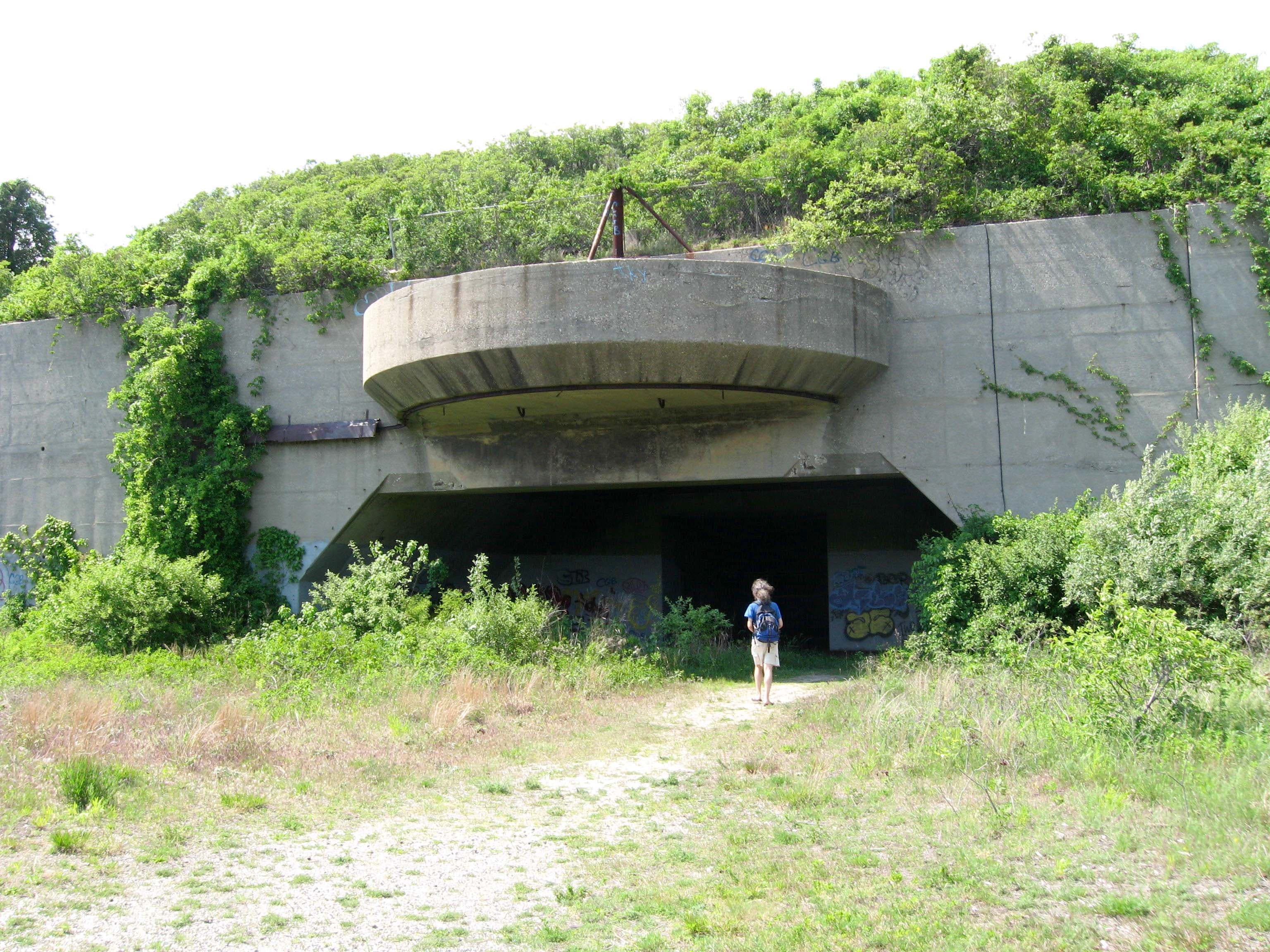
Hart Island Photography

Hero photo: Bjoertvedt, CC BY-SA 3.0, via Wikimedia Commons.
Gallery photos: RoySmith (CC BY-SA 4.0), Wusel007 (CC BY-SA 4.0), Jacob Riis (public domain), Wusel007 (CC BY-SA 4.0) via Wikimedia Commons.