Boston's Skinny House: The Ten-Foot Spite House
Four stories tall, ten feet wide, and famous for a feud that may never have happened. The Skinny House at 44 Hull Street is Boston's narrowest home — and one of its most photographed.
Beyond Boston's famous landmarks lies a city of hidden history, forgotten passageways, remarkable architecture, and unexpected discoveries. Explore lesser-known historic sites, secret gardens, unusual museums, and overlooked places that reveal a different side of America's oldest major cities.

Four stories tall, ten feet wide, and famous for a feud that may never have happened. The Skinny House at 44 Hull Street is Boston's narrowest home — and one of its most photographed.

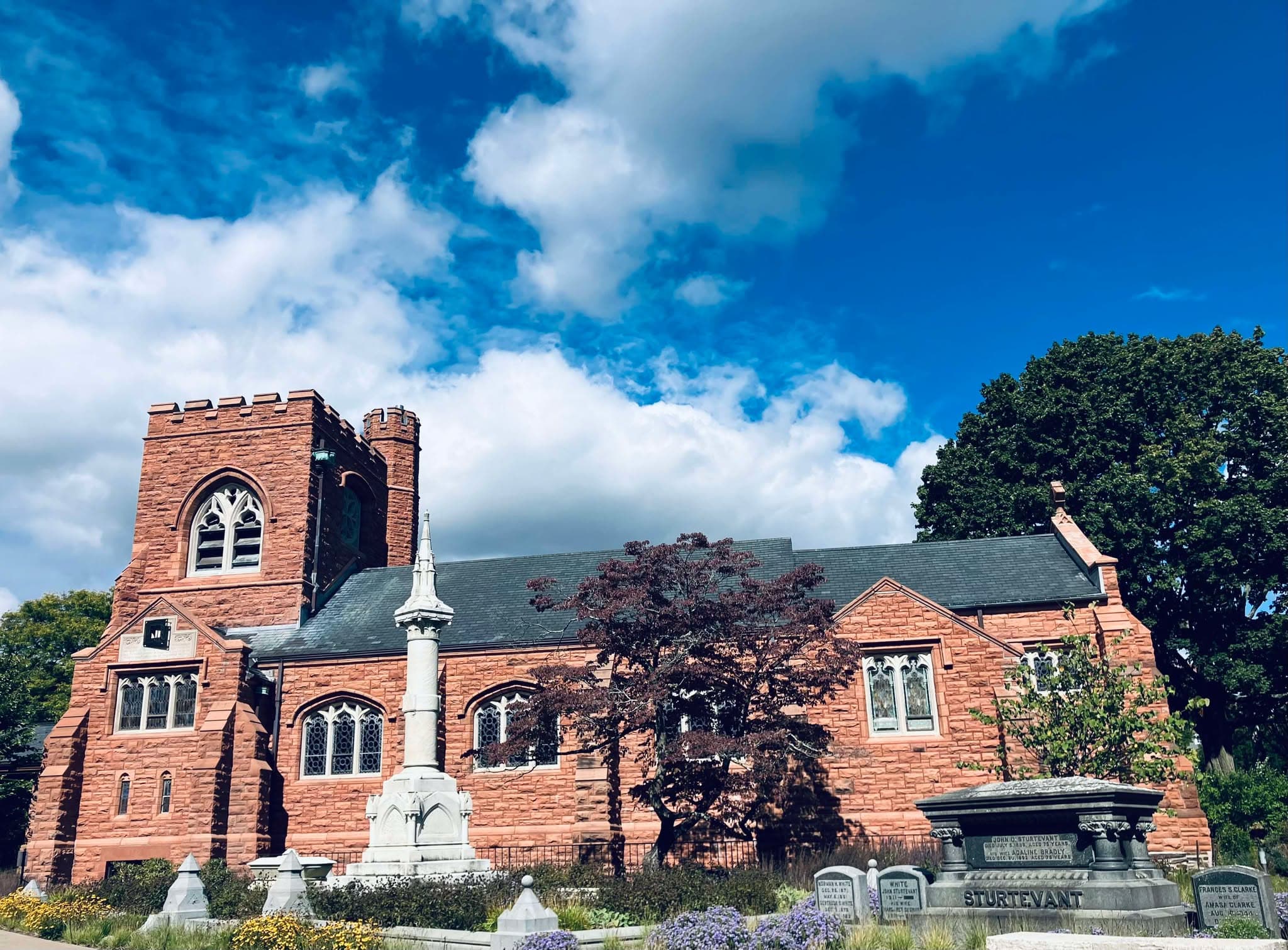
Founded in 1831, Mount Auburn Cemetery in Cambridge invented the American garden cemetery — and the public park. Its winding avenues, Egyptian Revival gate, and 175 acres hold the graves of Longfellow, Mary Baker Eddy, and Buckminster Fuller.

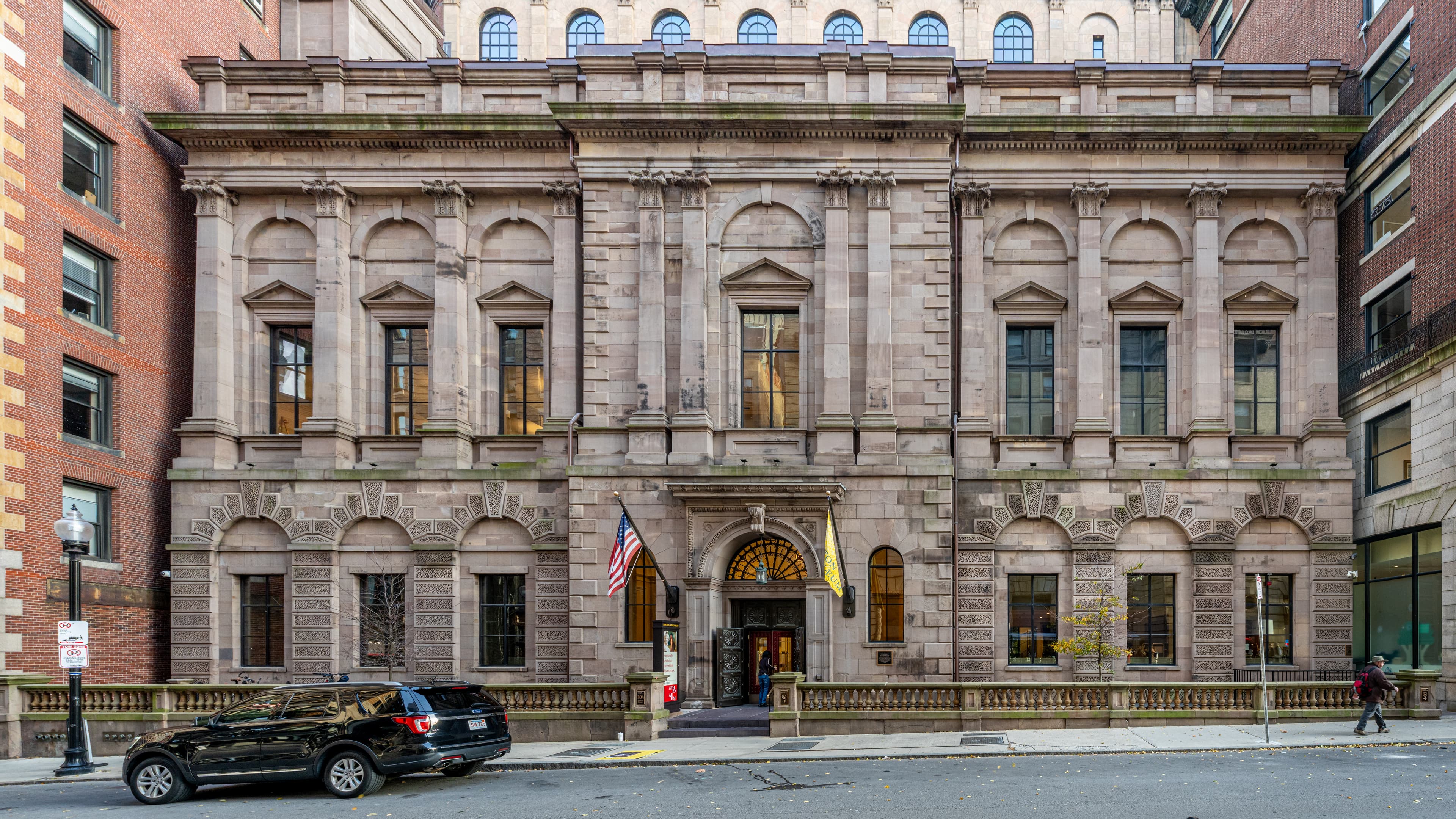
Founded in 1807, the Boston Athenaeum at 10 1/2 Beacon Street is one of America's oldest independent libraries, with rare books, art, and a famed fifth-floor reading room. Its Patterson sandstone building on Beacon Street has changed little since 1849. Visitors can explore the first floor, take guided tours, and use Special Collections by appointment.

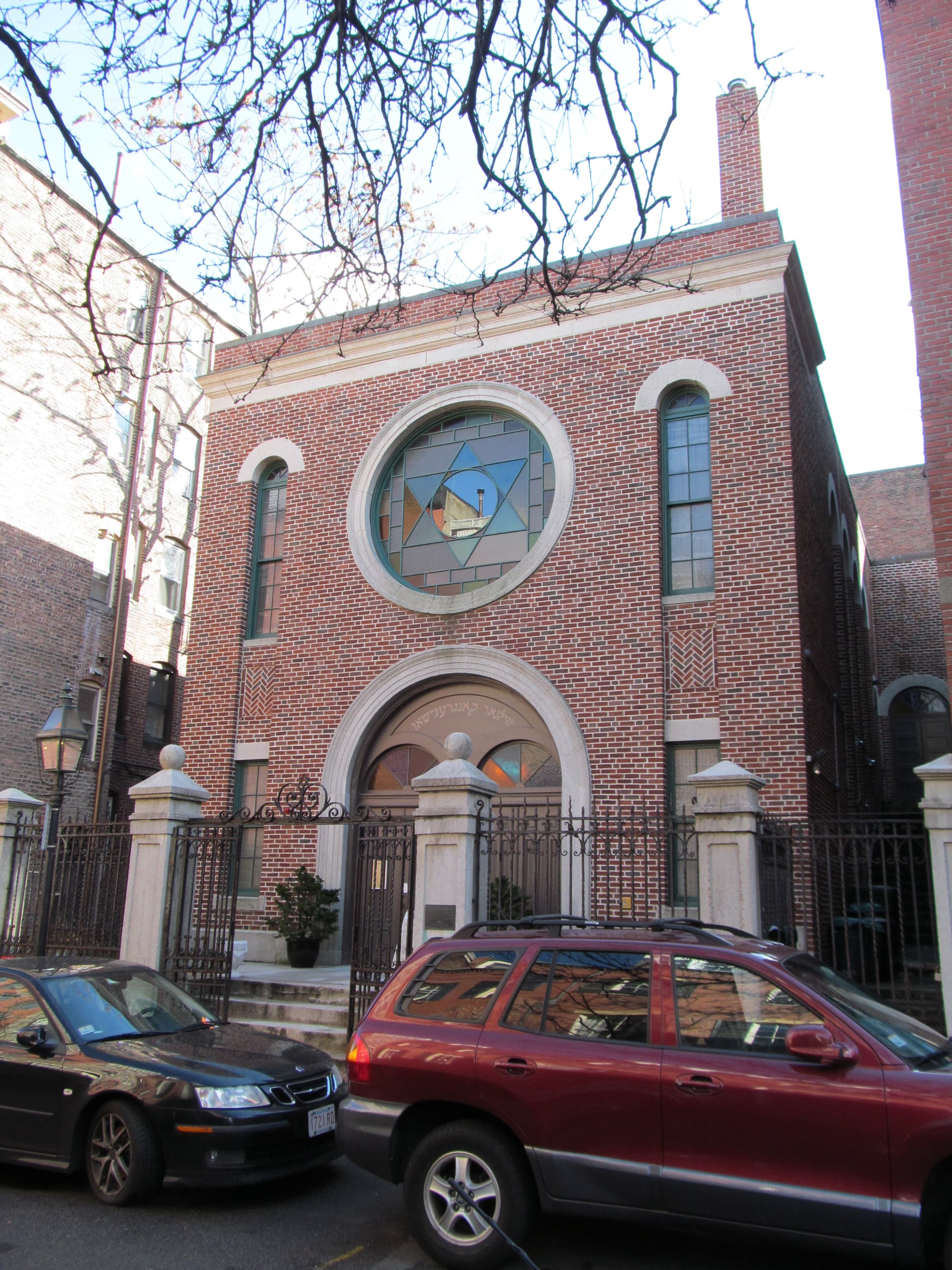
The Vilna Shul at 18 Phillips Street is the last surviving intact immigrant-era synagogue in Boston, built in 1919 by Lithuanian Jewish immigrants. Its sanctuary holds rare pre-war murals and pews with a double history, all preserved within a plain Beacon Hill facade. Now Boston's Center for Jewish Culture, it hosts tours, exhibits, and community events.

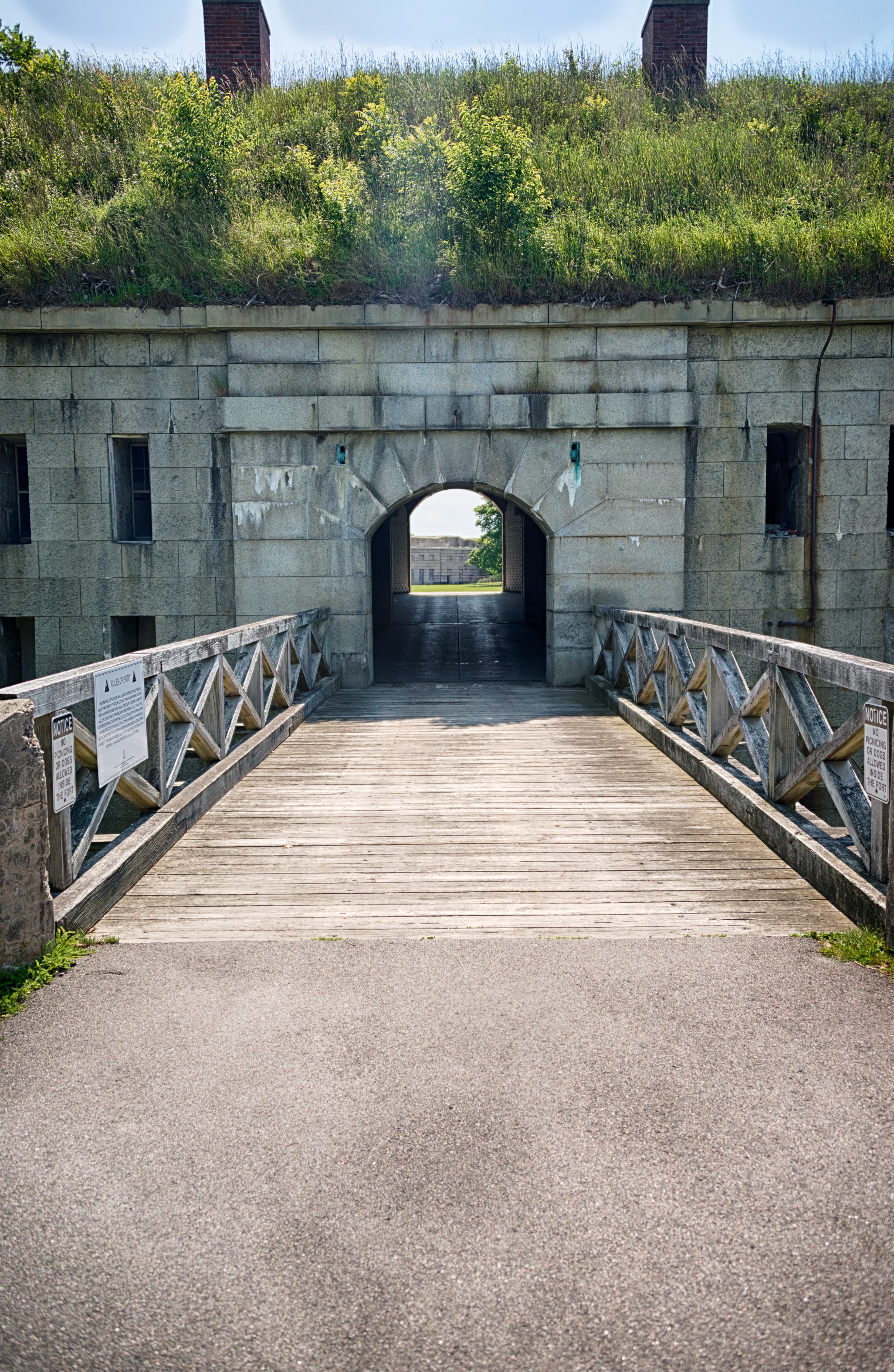
Fort Warren on Georges Island is a granite Third System fort in Boston Harbor that became one of the Civil War's most famous prisons, holding Confederate Vice President Alexander H. Stephens. Built over 1833–1861 and obsolete before it opened, the fort also gave America the melody of 'The Battle Hymn of the Republic.' Reachable by ferry from Long Wharf, its casemates, parade ground, and famed ghost lore are open to visitors.

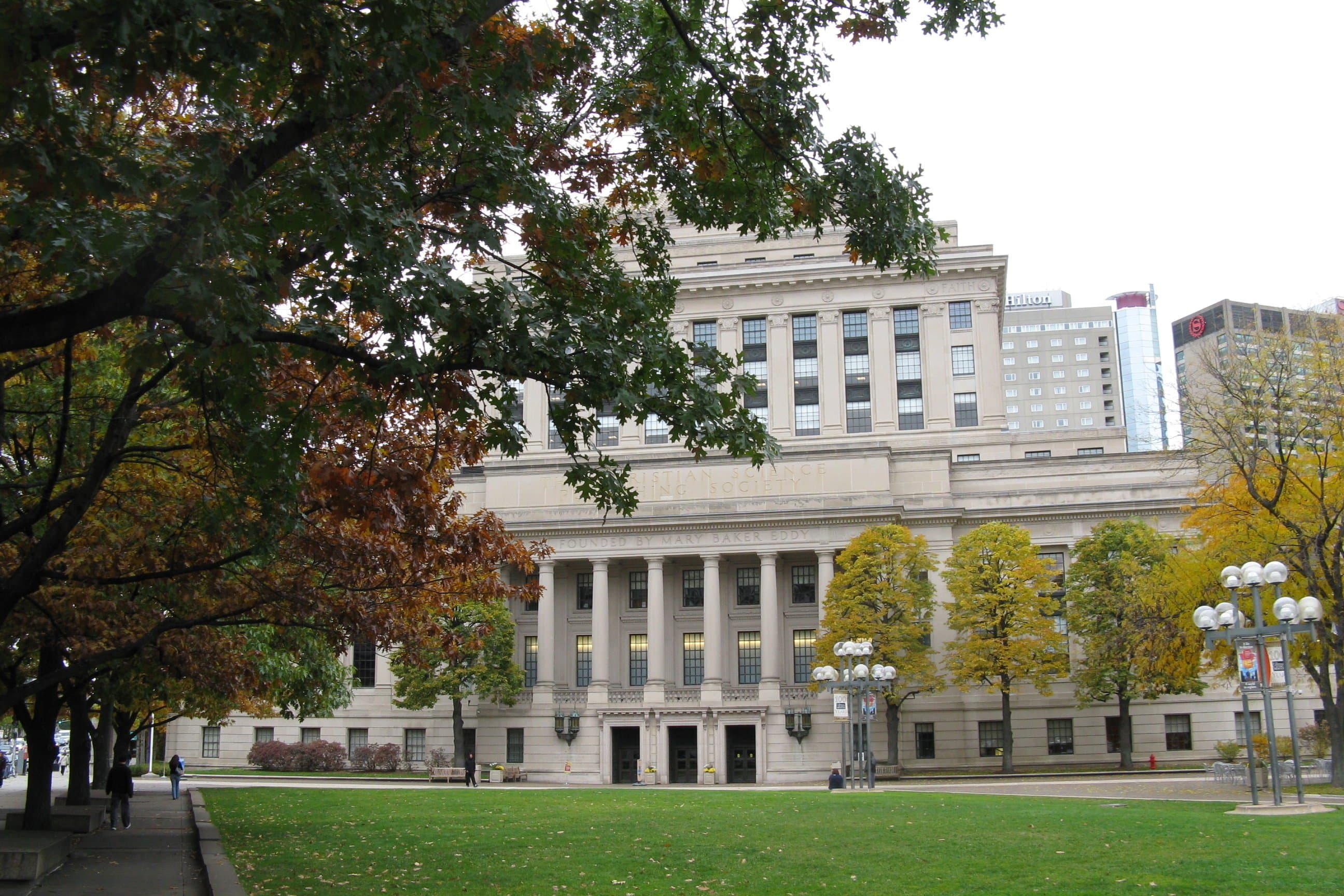
Step inside the Mapparium at the Mary Baker Eddy Library: a three-story stained-glass globe showing the world exactly as it was in 1935, from Siam to Italian East Africa. Discover its whispering-gallery acoustics, the story of architect Chester Lindsay Churchill, and everything you need to plan a visit.
Behind an ordinary brownstone facade at 137 Beacon Street, nothing has changed since 1954. The Gibson House Museum is Victorian Boston preserved room by room, exactly as one devoted son left it.

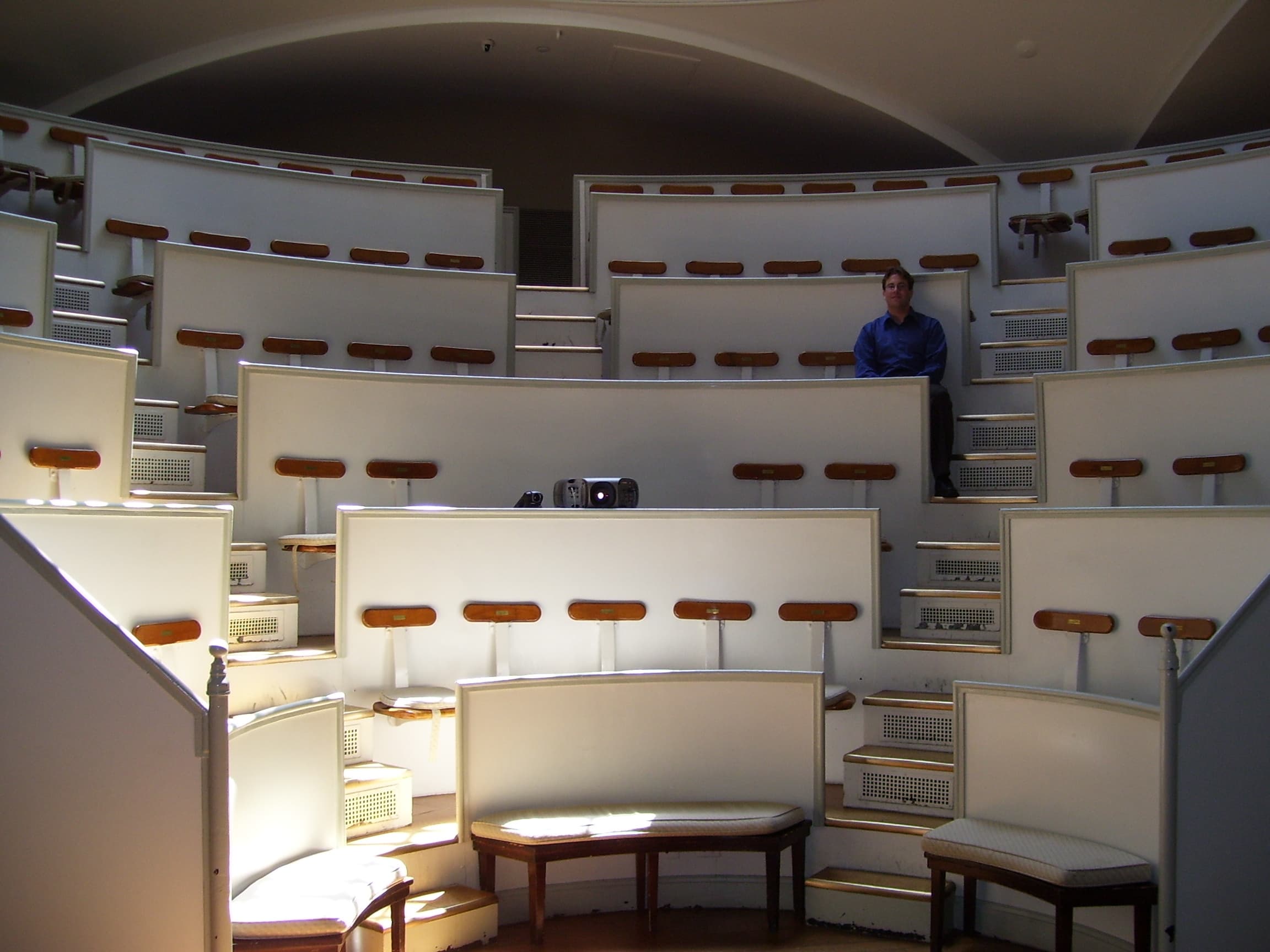
Step inside the Ether Dome at Massachusetts General Hospital: the 1821 surgical amphitheater where ether was first publicly demonstrated as anesthesia on October 16, 1846. Home to a mummy, a statue of Apollo, and the birth of painless surgery — free to visit on weekdays.