A Developer, a Warehouse District, and a Bet on Paint
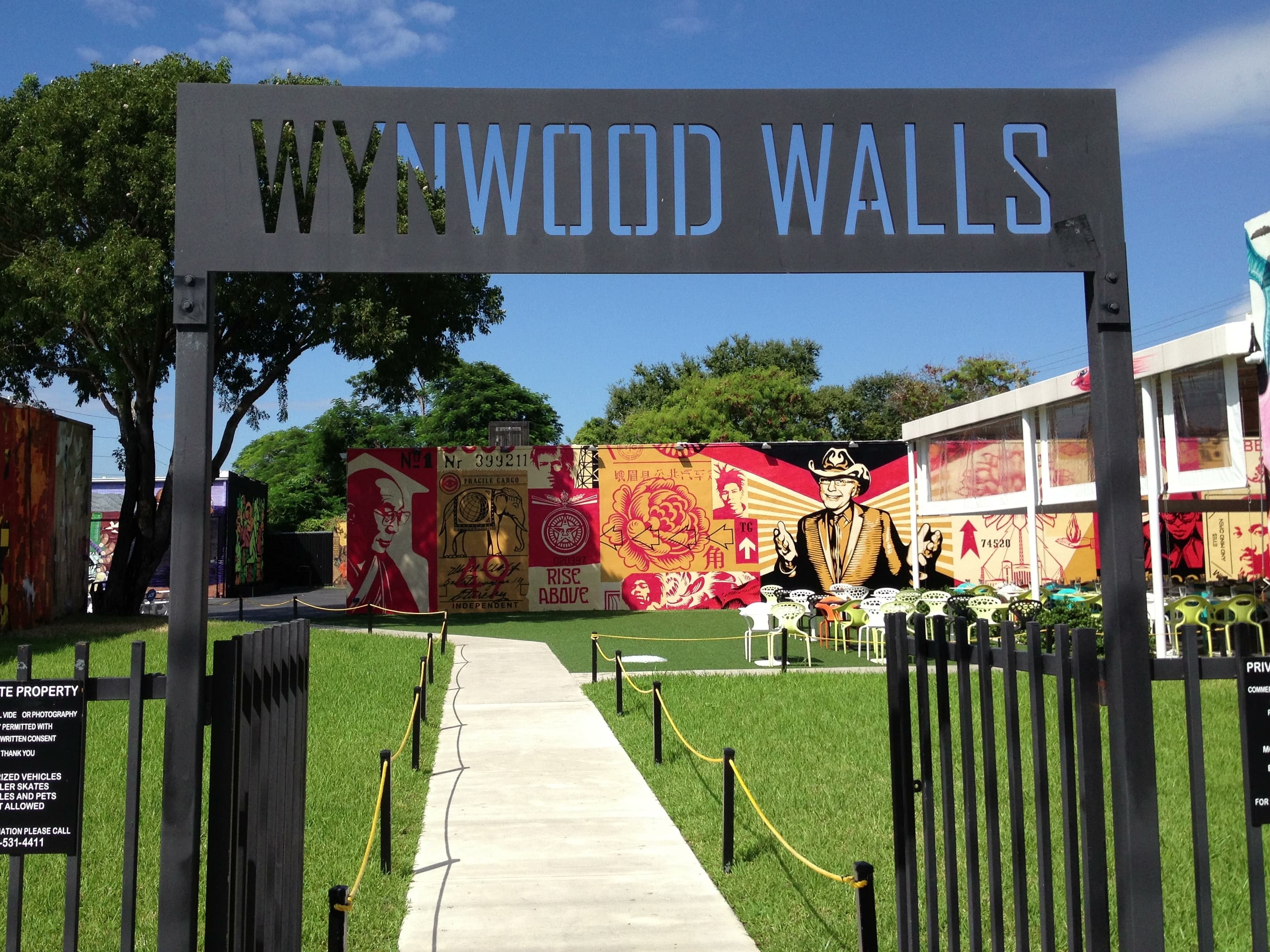
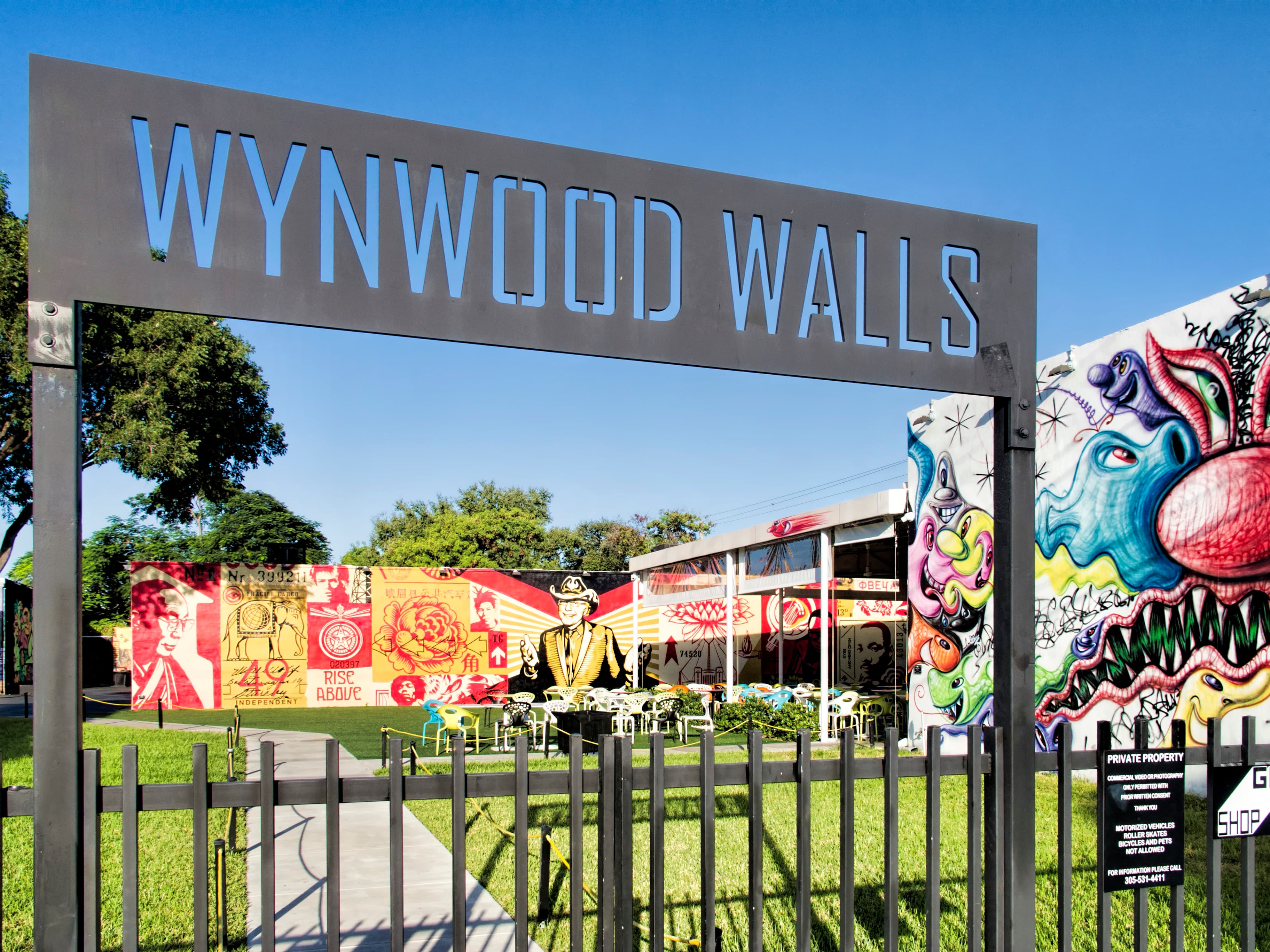
Every city has one sight that shows up in everyone's camera roll. In Miami, it is not a beach or a building — it is a collection of painted warehouse walls in Wynwood. The Wynwood Walls are an outdoor museum of street art: whole building facades handed over to the world's best muralists, repainted year after year, set around a shaded plaza in the middle of the city's arts district. It is the single most concentrated dose of color in South Florida, and it exists because one man refused to accept that a neighborhood was finished.
Tony Goldman had a track record of seeing things other developers could not. He had helped steer the revival of SoHo in New York, of Center City in Philadelphia, and of Ocean Drive on Miami Beach — neighborhoods written off as too gritty, too old, or too far gone. In the mid-2000s, he turned his attention to Wynwood, the warehouse district north of downtown Miami. The story of the place was familiar: after World War II, Wynwood had grown into the third-largest garment district in the United States, its flat-roofed factories humming with sewing machines. When apparel manufacturing moved offshore in the early 1990s, the factories closed in succession, and Wynwood was left with windowless walls, graffiti, and a reputation as somewhere to drive through. What remained were the bones — block after block of sturdy, low-slung warehouses with vast blank exteriors.
Goldman's thesis was contrarian and, in retrospect, obvious: art would be the catalyst. Rather than wait for the market to discover Wynwood, he would give people a reason to come. The neighborhood's natural vocabulary, he believed, was its hand-painted signage, its graphics, its graffiti. Instead of scrubbing that away, he would curate it.
The 2009 Debut That Moved Street Art Indoors — Outdoors
In 2009, Goldman partnered with renowned curator Jeffrey Deitch to launch the Wynwood Walls in its inaugural year. The concept was simple and had never been tried at this scale: treat the exterior walls of a cluster of warehouses exactly the way a museum director treats an interior gallery wall. A roster of the world's leading graffiti and street artists was invited to paint at warehouse scale — works that would be permanent, curated, and respected the way fine art had always been respected inside museum walls.
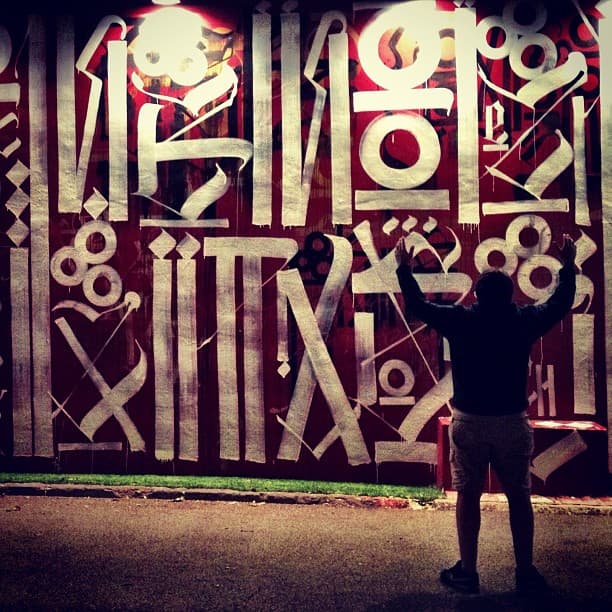
The debut, staged during Art Basel Miami Beach, drew international attention. Early contributors included names that were already legends in the scene — Shepard Fairey, Kenny Scharf, Futura, Os Gêmeos, Retna, Vhils — artists whose work had developed through graffiti, mural painting, and contemporary visual art. For the genre itself, the moment mattered: the Wynwood Walls helped move street art from the margins into the mainstream, giving it a permanent, curated home.
The project kept growing after its launch. In 2010, the Wynwood Doors were added in what had formerly been a junkyard — a row of repurposed metal roll-up garage doors, each painted as its own work, collected into a gallery of its own. The Wynwood Walls Garden followed, completed in December 2015, expanding the space to some 45,000 square feet of open area in the urban core. Over the years the collection has drawn artists from more than twenty countries, and the murals are refreshed year after year — each visit can show you an entirely different museum.
Tony Goldman died in 2012. His daughter, Jessica Goldman Srebnick, has carried the vision forward as CEO and curator, and the Walls have only grown in stature: one of the most visited destinations in the world, at the center of a district of galleries, restaurants, offices, and residences that matured around the art. The bet on a forgotten neighborhood became its defining identity.
What You Actually See Inside
Nothing prepares a first-time visitor for the scale. Individual murals span entire warehouse facades, some reaching four or five stories high, and the details — the fine lines, the layered color — only resolve when you step back across the plaza. Then you turn a corner and the visual language changes completely: a hyper-realistic portrait stares back at you; three steps later, an abstract explosion of geometric shapes and neon. There is no single house style, which is precisely the point. Every visitor tends to find one or two walls that genuinely stop them.
The collection mixes the monumentally famous with the next wave. Shepard Fairey's portrait of Tony Goldman has become one of the site's signature images — a founder's portrait in the medium he championed. Brazilian twins Os Gêmeos, Portuguese street artist Vhils, German photorealist-turned-muralist Case Maclaim, and the Dutch duo TelmoMiel have all painted here; the roster of the roughly one hundred-plus contributing artists reads like a syllabus of contemporary street art. Ashop Crew's surreal, hyper-realistic designs, Dulk's wildlife-infused environmental fantasies, and Hebru Brantley's large-scale figures have all appeared in recent cycles. New murals typically arrive every six to twelve months, timed around Miami Art Week in December, so the "permanent collection" is anything but.
Inside the grounds you will also find the two street-art galleries, sculptures and installations, retail shops, and the Garden's shaded seating — a place to sit with the work rather than sprint past it. The experience rewards slowness: murals this large reveal their composition the longer you stand with them.
The Wynwood Doors and the Wider District
Do not skip the Wynwood Doors, tucked into the complex where a junkyard once sat. The roll-up garage doors — industrial objects from the district's working life — have been repurposed as individual canvases, each one a self-contained piece. It is the most literal version of the whole project: the machinery of the old Wynwood, painted over by the new one.
And the new Wynwood deserves as much time as the Walls themselves. The museum is the anchor, but the neighborhood it ignited now holds one of the densest concentrations of street art anywhere — nearly every building within walking distance carries a mural, painted by artists from around the world during the district's open-wall culture. Beyond the Walls' gates: contemporary galleries, craft breweries, cafés, boutiques, and some of the city's best people-watching, especially on Second Saturday art walks and during Art Basel week. Wynwood went from a place Miami drove through to the district the city shows off.
Planning Your Visit
Go in the morning for the best light on the east-facing walls and the thinnest crowds — the plaza opens late morning, and afternoons, especially on weekends, draw the biggest flows of visitors. Give yourself at least ninety minutes inside; photographers will want more. The whole complex is wheelchair and stroller accessible, and families do well here — the scale keeps kids engaged in a way indoor galleries sometimes don't. When you leave, walk it off: NW 2nd Avenue and the surrounding blocks are an open-air extension of the museum, free to wander, and the district's galleries and lunch spots reward the stroll.
Wynwood Walls is now a ticketed attraction rather than the free walk-up it was at launch — admission and hours change, so check the official site at thewynwoodwalls.com before you go. What has not changed since 2009 is the premise: a warehouse district's blank walls, handed to the world's best painters, in the open air, in the middle of Miami. It remains the genre's most important stage — and the one Miami sight everyone photographs.
Key Facts
Wynwood Walls launched in 2009, founded by developer Tony Goldman in partnership with curator Jeffrey Deitch, debuting during Art Basel Miami Beach.
The site is an open-air museum: the exterior walls of a cluster of warehouses in the Wynwood arts district, painted at large scale by invited street artists.
Before the murals, Wynwood was the third-largest garment district in the United States after World War II; factories closed through the 1990s as manufacturing moved offshore.
The Wynwood Doors were added in 2010 in a former junkyard; the Wynwood Walls Garden was completed in December 2015, expanding the grounds to roughly 45,000 square feet.
More than 100 artists from 20+ countries have painted at the Walls; murals are refreshed in cycles, roughly every 6–12 months.
After Tony Goldman's death in 2012, his daughter Jessica Goldman Srebnick has led the project as CEO and curator.
The Walls are credited with helping move street art from the margins into the mainstream and with anchoring Wynwood's revival as Miami's arts district.
Goldman Properties and its creative arm, Goldman Global Arts, curate the project.
Visitor Details
Address: 2516 NW 2nd Ave, Miami, FL 33127 (Wynwood arts district, north of downtown Miami)
Transit: Miami-Dade Metrorail to Government Center, then Metrobus connections into Wynwood; several Metrobus routes serve the NW 2nd Ave corridor. Rideshare/taxi to the NW 25th St & NW 2nd Ave area is the simplest door-to-door option. Check the official Miami-Dade Transit site for current routes.
Hours/Admission: Wynwood Walls is a ticketed attraction. Hours and admission prices change seasonally — check the official site (thewynwoodwalls.com) before visiting for the current schedule and ticket prices.
Best timing: Weekday mornings for the softest light and smallest crowds; allow at least 90 minutes. December (Miami Art Week / Art Basel) brings new murals and the district's peak energy, plus peak crowds.