An island of parrots in the middle of the bay
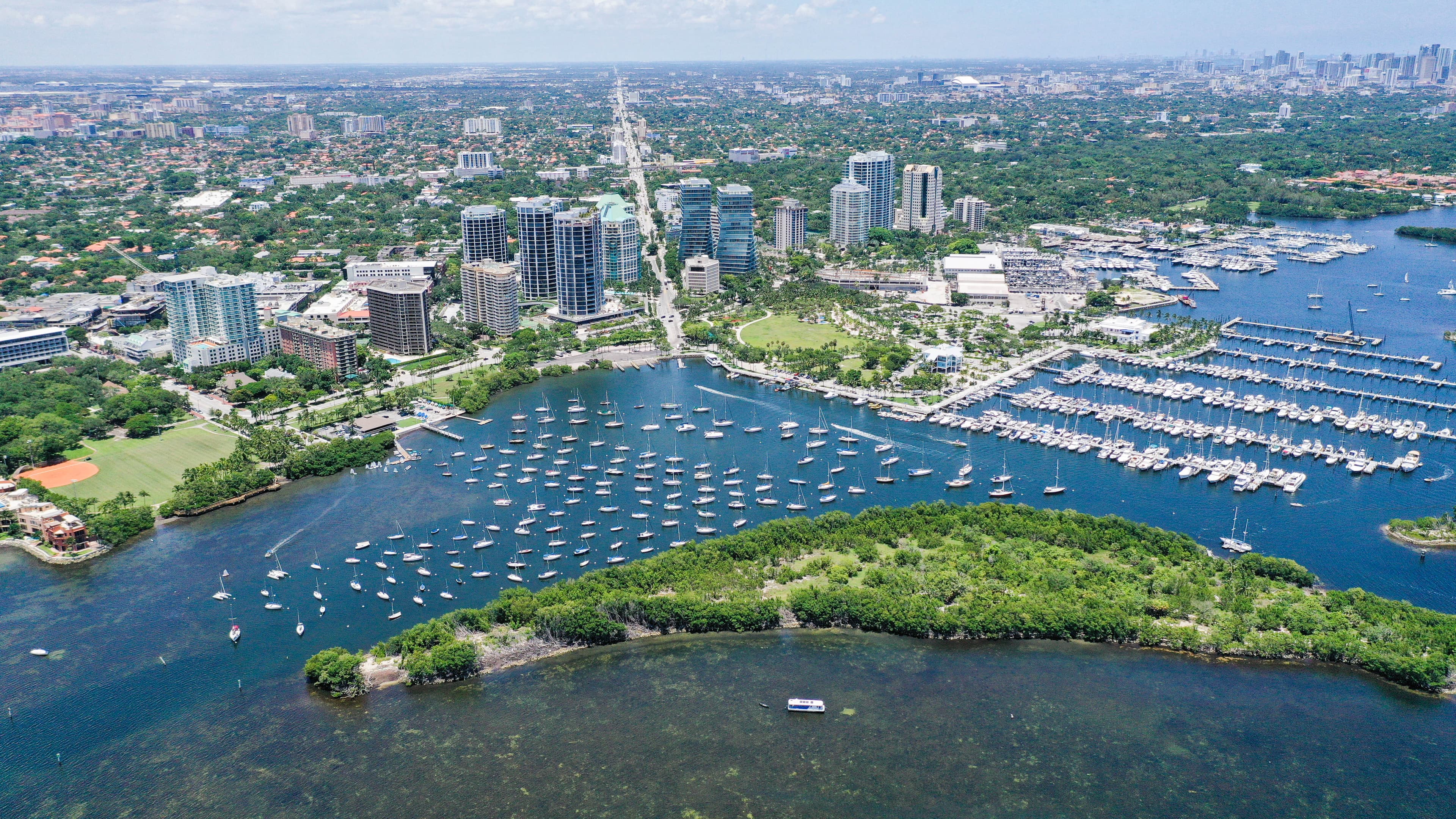
Drive east from downtown Miami toward South Beach on the MacArthur Causeway and, halfway across Biscayne Bay, you pass an island that is not quite like the others. Watson Island is man-made, built from dredged bay bottom, and on its northern side sits a patch of dense tropical green that looks out of place among the cruise terminals, the marina, and the causeway traffic. That is Jungle Island — 18 acres of landscaped jungle, aviaries, and animal habitats, with the downtown Miami skyline rising across the water behind it. It is one of the few Miami attractions where the setting is part of the show: you stand under palm canopy listening to macaws, and between the trees you can see the glass towers of the city you just came from.
Jungle Island is also one of the oldest tourist attractions in South Florida, and its history is older than the island it sits on. It began in 1936, not on Watson Island but in a hardwood hammock south of Miami, as Parrot Jungle — a place founded on a simple and, at the time, radical idea: that visitors should see birds flying free, not locked in cages. That idea has carried the park through nine decades, a move across the city, a hurricane, and a reinvention as an eco-adventure park. What has not changed is the sound of it: the squawk of macaws, the chatter of parrots, and the guides calling birds by name.
Parrot Jungle: 25 cents and birds that flew free
The park was the idea of Francis "Franz" Scherr, an Austrian immigrant who ran a feed and supply store in Homestead, and his wife Louise. Scherr was a regular visitor to Monkey Jungle, another South Florida attraction, and its owner, Joe Drummond, reportedly grew tired of Scherr's suggestions for improvement and told him to go start his own jungle. Scherr took the advice literally. He leased 20 acres of hammock land at Killian Drive and South Red Road — in what is now the village of Pinecrest — for $25, and dug a winding nature trail through the coral rock, leaving the native plants undisturbed.
Parrot Jungle opened on December 20, 1936, to about 100 visitors, each paying 25 cents to hear Scherr talk about his birds, trees, and flowers. The birds were the point: macaws and cockatoos that ranged through the hammock and came back for food, rather than sitting behind bars. The park grew by word of mouth into one of Miami's signature attractions. Its famous visitors over the decades included Sir Winston Churchill, who was photographed at Parrot Jungle in 1946 with a sulphur-crested cockatoo and a military macaw, along with film director Steven Spielberg and former President Jimmy Carter. The park's pink flamingos became famous in their own right when they appeared in the opening credits of the television series Miami Vice, and its bicycle-riding cockatoo Pinky became one of the most photographed birds in the park's history.
The original site is still there, in a sense: after the attraction moved, the Village of Pinecrest bought the Red Road property in December 2002 and opened it as Pinecrest Gardens, a municipal park, in March 2003. The original grounds were added to the National Register of Historic Places in 2011 as the Parrot Jungle Historic District. Walk its paths today and you are walking the same hammock Scherr cut his trail through — but the birds moved on.
The move to Watson Island
By the 1990s, the park's owners had decided to move. After Hurricane Andrew in 1992, plans took shape to rebuild on Watson Island, between downtown Miami and South Beach, and construction on the new site began in 2000. The new facility was designed from the start to be environmentally careful: landscaping began with a four-foot elevation change, vegetation was chosen to stay healthy under heavy foot traffic without heavy fertilizer or pesticide use, and the park adopted an integrated pest management system using biological controls. The U.S. Environmental Protection Agency later profiled the site's development as a model of sustainable landscaping.
The attraction opened on its new waterfront home on June 28, 2003, as Parrot Jungle Island. At the time it held some 3,000 animals, including 1,000 varieties of parrots. Four years later, on June 28, 2007, the park dropped "Parrot" from its name and became Jungle Island — a deliberate change, because visitors assumed a place called Parrot Jungle had only parrots, when it was also home to orangutans, tigers, crocodiles, and much else. The logo itself told the story of the transition: over the years the word "Parrot" shrank and the word "Island" grew.
Hurricane Irma in 2017 damaged the park badly enough to close it, and it reopened after major renovations as a relaunched eco-adventure park, adding zip lines, an outdoor wind-tunnel flight experience, pop-up waterslides, escape rooms, and a Nerf battle stadium alongside the animal exhibits. Offerings at an adventure park change often — shows rotate, attractions open and close — so treat any list of current extras as a starting point and check jungleisland.com before visiting.
The birds, still the stars
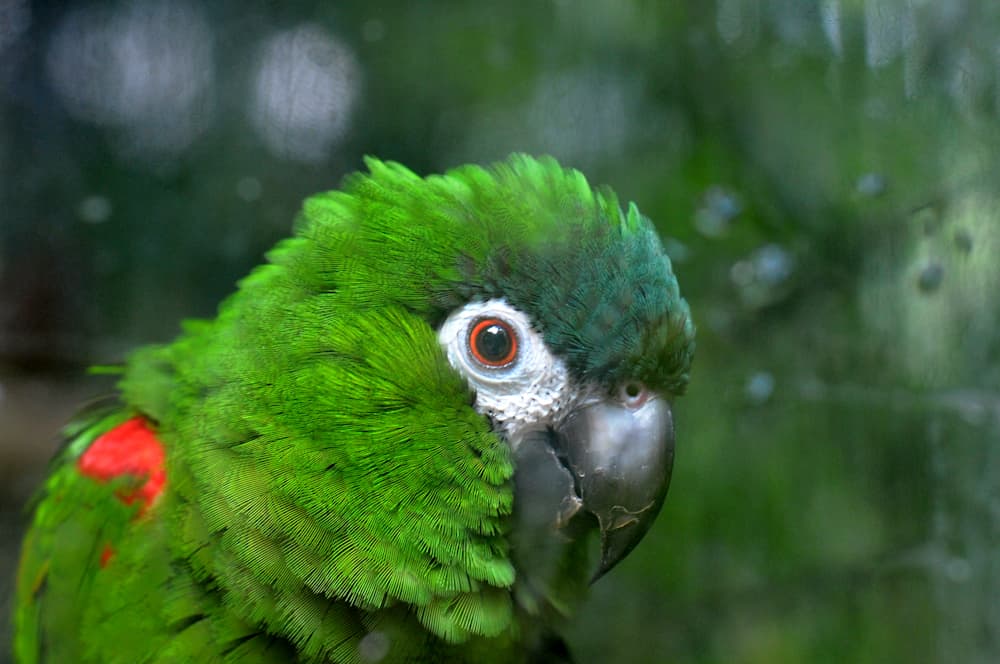
Whatever else has been added, the birds remain the reason to come. The park's signature show, Winged Wonders, is staged in the Parrot Bowl and features birds from around the world — parrots and macaws doing the tricks that made the original park famous, alongside the Andean condor, the king vulture, and the southern cassowary. The park's cassowary, Mama Cass, became a favorite for a trick no other trained cassowary in the world was known for: jumping into the air to catch an apple and swallow it whole in front of an audience.
Elsewhere in the park, the Manu Encounter aviary recreates the clay cliffs of Peru's Manu region for more than 200 parrots and macaws, and the lorikeet aviary lets the small, brightly colored birds land on visitors' hands, shoulders, and heads. Flamingo Lake, first created at the original park in 1947, remains the park's most photographed feature in spirit — the pink birds wading in shallow water are the direct descendants of the flock that opened Miami Vice. And the park's first bird show tradition goes back to Pop, a blue-and-gold macaw who did tricks for guests in the park's earliest years.
The non-bird residents fill out the day. The Jungle Theater, its roof covered by distinctive white sails that have become the park's landmark, hosts wildlife shows including the big-cat presentations once billed as Tale of the Tiger; nearby lived Hercules, the 900-pound liger — a lion-tiger cross — that the park billed as the world's largest cat. The Serpentarium, named in honor of Bill Haast's famed Miami Serpentarium, ranges from African penguins and lemurs to boa constrictors, alligator snapping turtles, and a 20-foot saltwater crocodile. The Everglades Habitat recreates the ecosystem of the Florida Everglades, with much of the natural flora and fauna of the wetlands. There is also a petting zoo with domestic and exotic animals, including an experience with red kangaroos, and keeper talks and feedings run through the day.
Adventure above the canopy
The relaunched park added a second layer on top of the animal exhibits: height. Treewalk Village is a canopy playground of giant interconnected treehouses, and Treetop Trekking offers ropes courses and zip lines through the park's trees (a separately ticketed attraction, not included with general admission, according to current ticketing listings). The outdoor wind tunnel lets visitors try indoor-style skydiving in the open air, and the park's water features have included Parrot Cove, a private beach with views of downtown Miami. These are the parts of the park most likely to change between seasons, and the parts most worth confirming before you go — especially with children in tow, since age, height, and ticket rules vary by attraction.
What does not change is the walk itself. The park's trails run about 1.35 miles through tropical landscaping, past streams and waterfalls, and they are wheelchair and stroller friendly. It is a compact park — most visitors walk the whole property in an hour or two — which makes it an easy half-day outing rather than an all-day expedition. The shade helps: much of the park is under tree canopy or covered areas, which matters on a Miami summer afternoon.
Why Watson Island matters
Jungle Island's address is part of its appeal. Watson Island sits in Biscayne Bay on the MacArthur Causeway, between downtown Miami and Miami Beach, so the park is minutes from both — and from the PortMiami cruise terminals across the water. Come by car and you park on the island; the park's own directions route drivers off I-395 east, over the bridge, and around under the causeway to the parking garage. Public transit reaches the island too, with bus routes running along the causeway, and the park is a short ride from downtown hotels.
The bay setting also gives the park its best views. From the waterfront edges of the island, downtown Miami's skyline fills the western horizon across Biscayne Bay, and the causeway hums overhead with traffic bound for the beach. It is a strange and very Miami juxtaposition — a jungle, a skyline, and a highway, all in one frame — and it is the reason the park photographs so well. The sails of the Jungle Theater, visible from the causeway itself, have become a small landmark of the crossing: drivers heading to South Beach pass them without always knowing what they are.
How to visit well, and why it endures
Plan Jungle Island as a half-day, not a full day, and build it around the shows. Check the day's show schedule when you arrive and work backward from the Winged Wonders performance in the Parrot Bowl — it is the park's signature and the closest living link to what Scherr was doing in 1936. Then walk the trails, hitting the Manu Encounter and the lorikeet aviary for the hands-on bird moments, the Serpentarium for the reptiles and penguins, and the Everglades Habitat for a quieter, greener stretch. If you are traveling with children, leave time for Treewalk Village and the petting zoo; if you are not, the birds and the bay views are the whole visit.
Pairing the park with the rest of the causeway is easy. It sits between downtown Miami and South Beach, so it works as a morning stop before the beach, or as a break from downtown museums — and the skyline views from the island are a reminder of how close the wild and the urban sit in Miami. Come in the morning for the most active birds and the coolest trails, and bring water: much of the park is outdoors, and South Florida heat is real even under the canopy.
Jungle Island endures because it never really changed its founding idea. Scherr's park was built on the belief that people would pay to see birds fly free, in a place that felt like a jungle rather than a cage. The address changed, the name changed, the hurricane came and went, and the zip lines arrived — but the macaws still talk to visitors as they walk past, the flamingos still wade in the lake, and the show in the Parrot Bowl still runs on the same trick that worked in 1936: a beautiful bird, doing something remarkable, a few feet away. That is a thin premise for ninety years of tourism, and it has held up better than almost anything else in Miami.
Key Facts
- Jungle Island was founded as Parrot Jungle by Franz and Louise Scherr and opened on December 20, 1936, on 20 acres at Killian Drive and South Red Road in what is now Pinecrest, Florida; about 100 visitors paid 25 cents on opening day.
- Scherr leased the original hammock land for $25 and dug a winding trail through the coral rock, leaving the native plants undisturbed; the park's founding idea was birds that "fly free" rather than caged birds.
- Famous early visitors included Sir Winston Churchill (photographed at Parrot Jungle in 1946 with a sulphur-crested cockatoo and a military macaw), Steven Spielberg, and Jimmy Carter; the park's flamingos appeared in the opening credits of Miami Vice.
- The original Flamingo Lake was created in 1947; two of the Scherr children held their weddings there, in 1953 and 1956.
- In 1988, Bern Levine and partners purchased Parrot Jungle from the Scherr family; the Village of Pinecrest bought the original site on December 17, 2002, and opened it as Pinecrest Gardens on March 8, 2003. The original site was added to the National Register of Historic Places in 2011 as the Parrot Jungle Historic District.
- Construction on the Watson Island site began in 2000; the attraction reopened there on June 28, 2003, as Parrot Jungle Island, with about 3,000 animals including 1,000 varieties of parrots.
- On June 28, 2007, the park was renamed Jungle Island, to reflect a collection that included orangutans, tigers, crocodiles, and other animals beyond parrots.
- The park covers about 18 acres on Watson Island in Biscayne Bay, between downtown Miami and South Beach, with about 1.35 miles of landscaped trails.
- Signature features include the Winged Wonders bird show in the Parrot Bowl, the sail-covered Jungle Theater, the Serpentarium (named for Bill Haast's Miami Serpentarium), the Everglades Habitat, the Manu Encounter aviary, and the lorikeet aviary.
- The park's southern cassowary, Mama Cass, was known as the world's only trained cassowary; the liger Hercules, housed near the Jungle Theater, was billed at 900 pounds.
- Hurricane Irma in 2017 damaged the park and closed it; it reopened after major renovations as a relaunched eco-adventure park with zip lines, an outdoor wind-tunnel flight experience, waterslides, escape rooms, and other attractions.
- The park's landscaping was developed to minimize fertilizer and pesticide use, with an integrated pest management system using biological controls; the U.S. Environmental Protection Agency profiled the site's sustainable landscaping approach.
Visitor Details
Address: Jungle Island, 1111 Parrot Jungle Trail, Miami, FL 33132 (Watson Island, on the MacArthur Causeway between downtown Miami and South Beach)
Transit: Watson Island is reached from downtown Miami via the MacArthur Causeway (I-395 east); drivers exit onto Parrot Jungle Trail and follow the road around and under the causeway to the parking garage. Bus routes run along the causeway corridor, and the park is a short ride from downtown Miami hotels. Check current transit routings before visiting, as causeway bus service changes.
Hours/Admission: Hours, admission prices, and which attractions are included with general admission (Treetop Trekking is separately ticketed in current listings) change from time to time — check the official source at jungleisland.com before visiting to confirm current hours, ticket prices, and show schedules. Do not rely on third-party listings for prices or hours.
Best timing: Arrive in the morning for the most active birds and the coolest trails; allow a half day (most visitors walk the property in an hour or two). Build the visit around the Winged Wonders show in the Parrot Bowl, then walk the trails to the Manu Encounter, lorikeet aviary, Serpentarium, and Everglades Habitat. Pair the visit with downtown Miami or a South Beach trip, since the park sits on the causeway between the two.
Location Photography